
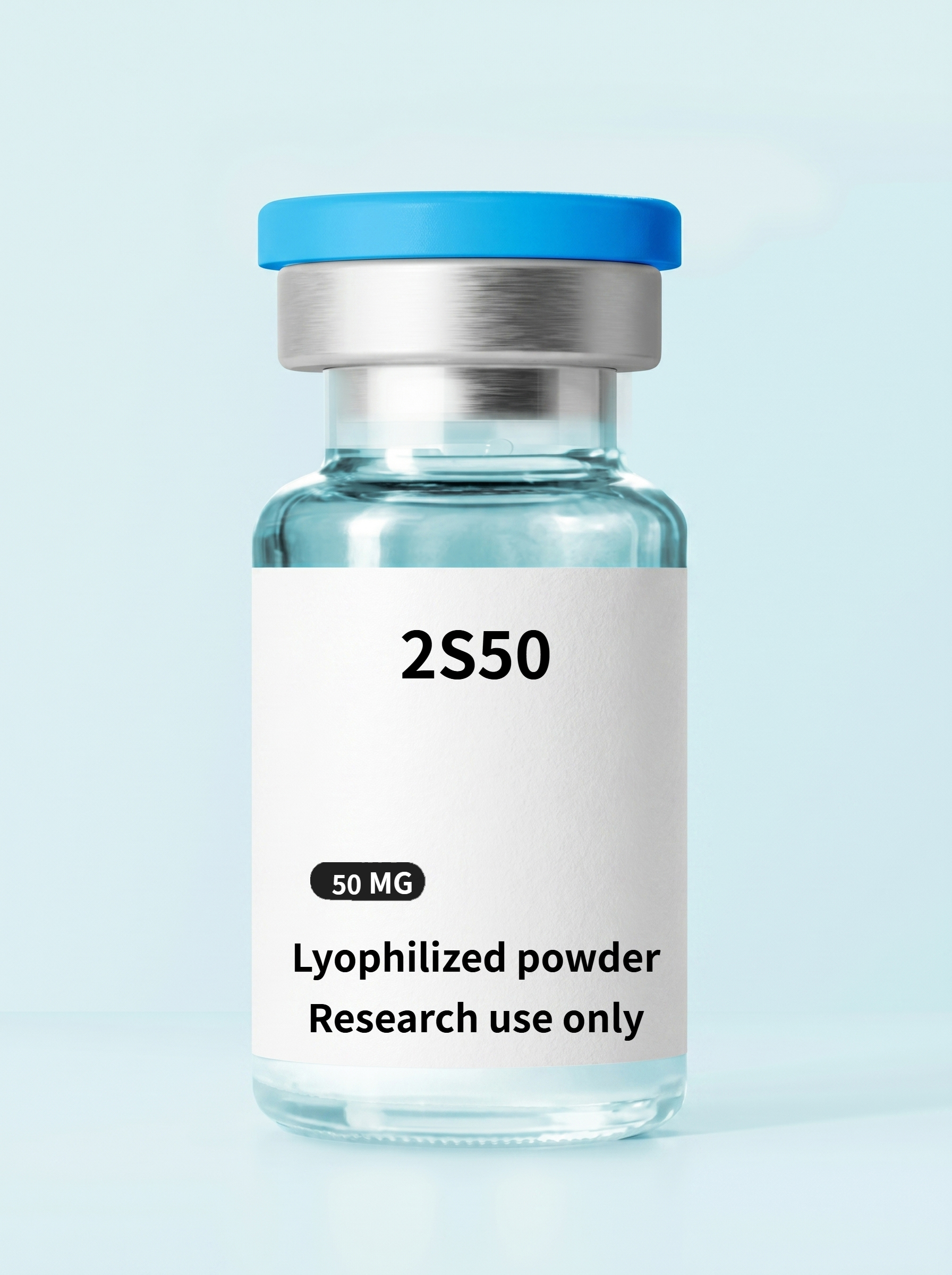
Price range: $100.00 through $360.00
What is SS-31? Overview
At the forefront of cellular energy and aging research, a peptide targeting the very source of life's energy is rewriting the rules of protection—SS-31 (Elamipretide, also known as Bendavia or MTP-131), a first-in-class mitochondrial-targeting tetrapeptide developed by Cornell University. It doesn't act on the cell surface or ordinary cytoplasm, but instead possesses precise navigation, directly penetrating the cell membrane and highly accumulating in the cell's energy factories—mitochondria, especially the inner mitochondrial membrane.
This small peptide's targeting and stability are remarkable. It can exist stably in the physiological environment, unaffected by rapid enzymatic degradation, and accumulates in ultra-high concentrations of 1000-5000 times in the inner mitochondrial membrane. Researchers have described it as: a dedicated guardian engineer deployed to the core of energy production, penetrating the front lines of energy production while other antioxidants are still lingering on the cell's periphery, protecting the most critical and vulnerable core structures.
SS-31 Peptide Structure
Amino Acid Sequence: D-Arg-Dmt-Lys-Phe-NH₂ (D-arginyl-2,6-dimethyl-L-tyrosinyl-L-lysyl-L-phenylalanine)
This minimalist peptide chain, composed of only 4 amino acid residues, embodies extremely precise targeting design. The selection and modification of each unit have undergone rigorous refinement:
N-terminal D-arginine (D-Arg): Employing a non-natural D configuration, it provides the molecule with an "anti-degradation armor," significantly extending its half-life in vivo (approximately 2-8 hours) and preventing rapid degradation.
2,6-Dimethyltyrosine (Dmt): A specially modified tyrosine enhances the molecule's lipid solubility, allowing it to easily cross the lipid bilayer and reach the inner mitochondrial membrane.
Lysine (Lys) and phenylalanine (Phe): Combined with terminal amidation (-NH₂) modification, they construct a strong cationic property, enabling SS-31 to precisely recognize and bind to cardiolipin, a substance specific to the mitochondrial inner membrane.
This ingenious structure makes SS-31 the only therapeutic peptide capable of specifically binding to cardiolipin. When it binds to cardiolipin, it immediately stabilizes the mitochondrial cristae structure, repairs the electron transport chain supercomplex, prevents electron leakage, and reduces reactive oxygen species (ROS) generation at the source. This is not a passive scavenging of free radicals, but an active repair of the "leaky generator," making energy production more efficient and safer. Researchers observing this process are amazed by its precise and powerful "small but mighty" effect.
Currently, core research on SS-31 has progressed from cell and animal models to multiple Phase II and III clinical trials, and its protective effect against mitochondrial dysfunction has been preliminarily validated in humans.
SS-31 Peptide and Cardioprotection: As a high-energy-consuming organ, the heart is most sensitive to mitochondrial damage. SS-31 has demonstrated remarkable capabilities in cardiovascular protection. In models of heart failure and myocardial ischemia, SS-31 treatment significantly reduced cardiomyocyte apoptosis and fibrosis, and improved cardiac diastolic and systolic function.
Its core protective mechanisms include:
* **Stabilizing the mitochondrial membrane:** Preventing abnormal opening of the mitochondrial permeability transition pore (mPTP) during ischemia-reperfusion, thus blocking cell death pathways.
* **Enhancing energy efficiency:** Repairing the electron transport chain and increasing ATP production to replenish the energy supply to failing myocardium.
* **Anti-oxidative stress:** Inhibiting ROS production at its source, reversing myocardial oxidative damage, and protecting cardiac function.
In clinical trials, SS-31 effectively improved exercise tolerance and cardiac metabolic efficiency in patients with heart failure with preserved ejection fraction (HFpEF), bringing new hope to this type of refractory disease.
SS-31 Peptide and Neuroprotection and Cognition
SS-31 can easily cross the blood-brain barrier, providing deep protection for the central nervous system. In models of aging and neurodegenerative diseases, it:
Reduces oxidative stress in the brain: Inhibits mitochondrial ROS, protecting neuronal and synaptic structures.
Improves mitochondrial bioenergetics: Enhances brain energy supply, delaying neuronal aging and apoptosis.
Alleviates neuroinflammation: Inhibits excessive activation of microglia, improving the brain microenvironment.
Studies have confirmed that SS-31 can improve learning and memory abilities in aged animals, reduce β-amyloid protein deposition in Alzheimer's disease models, protect cognitive function, and become a potential molecule for combating brain aging and neurodegeneration.
SS-31 peptides and muscle function and anti-aging
Mitochondrial decline is a core cause of muscle atrophy, decreased motor function, and aging. SS-31 can effectively activate muscle mitochondrial function:
Enhances muscle endurance and recovery: Increases ATP production, reduces post-exercise oxidative damage, and accelerates fatigue recovery.
Combats muscle atrophy: Protects muscle cell mitochondria, reducing aging or disuse muscle loss.
Improves metabolic health: Enhances insulin sensitivity, reduces fat accumulation, and improves overall metabolic levels.
In animal studies on aged individuals, SS-31 reversed the decline in muscle mitochondrial function, significantly rejuvenating athletic performance, while simultaneously improving the function of multiple organs including the heart and kidneys, thus extending healthy lifespan.
SS-31 Peptide and Kidney and Systemic Organ Protection
High-energy-consuming organs such as the kidneys and retina are highly sensitive to mitochondrial damage and are protective targets of SS-31:
* Kidney Protection: Reduces acute kidney injury and diabetic nephropathy, inhibits renal tubular cell apoptosis and fibrosis, and improves kidney function.
* Retinal Protection: Delays age-related macular degeneration and protects photoreceptor mitochondrial function.
* Rare Disease Treatment: In clinical trials for Barth syndrome (a genetic cardiolipin deficiency), SS-31 significantly improved cardiac and skeletal muscle function, directly validating its mechanism of action.
SS-31 Peptide and Safety
* SS-31 has demonstrated excellent safety in preclinical and clinical trials:
* Common Reactions: Only mild redness, swelling, and pain at the injection site; low incidence and transient.
Systemic Reactions: Mild headache, dizziness, or gastrointestinal discomfort may occasionally occur, but these are mostly transient.
No Serious Toxicity: No organ damage, genotoxicity, or carcinogenic risk has been observed; long-term use is well-tolerated.
Future SS-31 Research and Clinical Trials
SS-31, as a pioneer in mitochondrial targeted therapy, is undergoing comprehensive clinical development:
Progress: Completed multiple Phase II/III trials for Barth syndrome, heart failure, and mitochondrial myopathy.
Ongoing: Expanding to areas such as diabetic nephropathy, neurodegenerative diseases, and age-related macular degeneration.
Core Value: It is the first drug targeting cardiolipin to repair mitochondria at their source, opening up a new pathway for the treatment of aging and chronic diseases.
Our SS-31 has the following significant characteristics:
High Purity: Each batch is tested by HPLC and mass spectrometry, with a purity ≥99%, independently verified by a third party.
Precise Dosage: 5mg vials, suitable for research dosage requirements, flexible preparation, and no waste.
Ultra-stable: A freeze-dried formulation, it can be stored long-term at -20°C with stable activity and no degradation.
For research use only: Strictly adhering to laboratory standards, suitable for cellular, animal, and preclinical mitochondrial-related research.
For researchers exploring mitochondrial medicine, anti-aging, and chronic disease mechanisms, SS-31 is undoubtedly a key molecule for unlocking cellular energy protection and opening a new dimension of healthy lifespan.
Unopened Powder
Store the sealed SS-31 vials in a cool, dry place, away from direct sunlight and moisture. You can leave it at room temperature briefly, but longer storage is better—refrigerate at 2–8°C if you plan to use it within a few weeks. If you plan to store it for an even longer period, freeze it at -20°C; it can be stored for several months.
After Reconstitution
Mix the peptides with the antibacterial water and immediately refrigerate at 2–8°C. Note: Do not freeze after mixing. Temperature fluctuations will damage the peptide structure. Keep the vials in a cool, dark place in the refrigerator, or wrap them in aluminum foil—light is detrimental to peptide stability.
Shelf Life
Properly refrigerated reconstituted SS-31 can typically be stored for 28 to 56 days. However, note that its potency will decrease over time. Before each use, quickly check the solution. Discard the solution if it is cloudy, discolored, or contains floating matter. Handling and Safety: Always use aseptic techniques when handling peptides. Avoid frequent opening of vials—each opening introduces air, affecting peptide stability. Also, avoid repeated freeze-thaw cycles, as this accelerates peptide breakdown. Ensure containers are tightly sealed to prevent moisture absorption.
Quick Tip: Powdered products are best stored at 2–8°C. After mixing, use within 4–8 weeks and always refrigerate. Always protect from light, heat, and moisture. For clinical applications or specific handling guidelines, consult the product instructions or a qualified researcher.
What are the storage conditions for SS-31
Store it at -20°C until use. After reconstitution, refrigerate and consume within 30 days. It is very easy to use, even for graduate students.
Is it legal to purchase for research use?
It is completely legal for laboratory and educational use. The U.S. Food and Drug Administration (FDA) has not approved it for therapeutic use, but related research can be conducted without legal hindrance. Do not self-medicate—this is both illegal and unwise.
How to recombine the peptide?
Use immediately with sterile water. Antibacterial water can prolong the stability of the solution. Add the liquid slowly dropwise along the side of the vial—adding it directly to the powder will cause unnecessary agitation.
Is there an analytical certificate?
Each batch of product includes complete analysis. HPLC purity testing, mass spectrometry confirmation, endotoxin level testing—all the tests expected by professional researchers are included.
What if recombination fails?
Contact us immediately. We prefer to guide you through the entire process rather than waste valuable peptides due to rushed operations or unfamiliarity with the correct techniques.


No account yet?
Create an AccountOnly registered users can access this website. You must log in or create an account to place an order.
The products on this website are for legitimate research use only. They have not been evaluated by the Food and Drug Administration (FDA), and they are not intended to prevent, treat, or cure any disease or for human consumption. Please comply with all applicable laws and regulations. Consult with a qualified researcher before beginning any study.
Age Restrictions: By accessing this site, you acknowledge that you are at least 21 years of age, understand these terms, and have a legitimate research basis for purchasing these products.
* Note: All of our compounds are sold separately and do not include research supplies such as bacteriostatic water or syringes. Most are sold in powder form and need to be reconstituted with a suitable diluent solution prior to study.

Reviews
There are no reviews yet.