
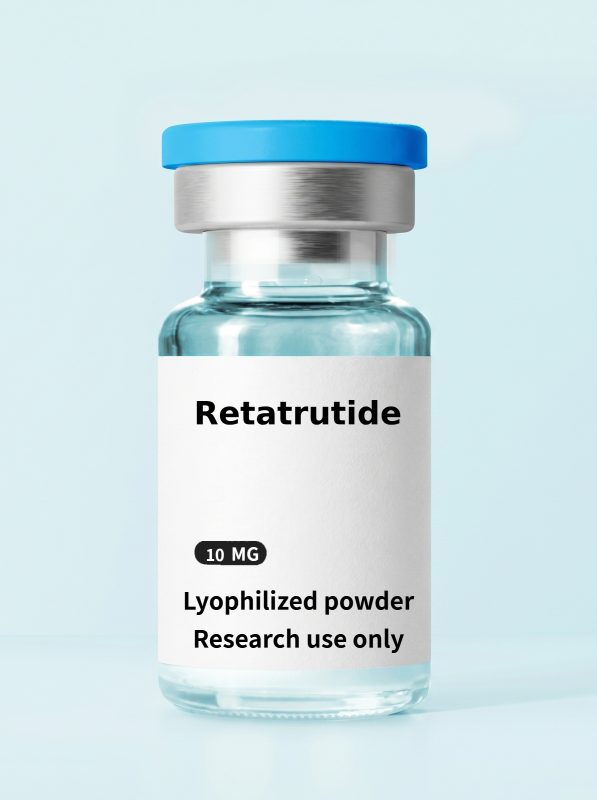
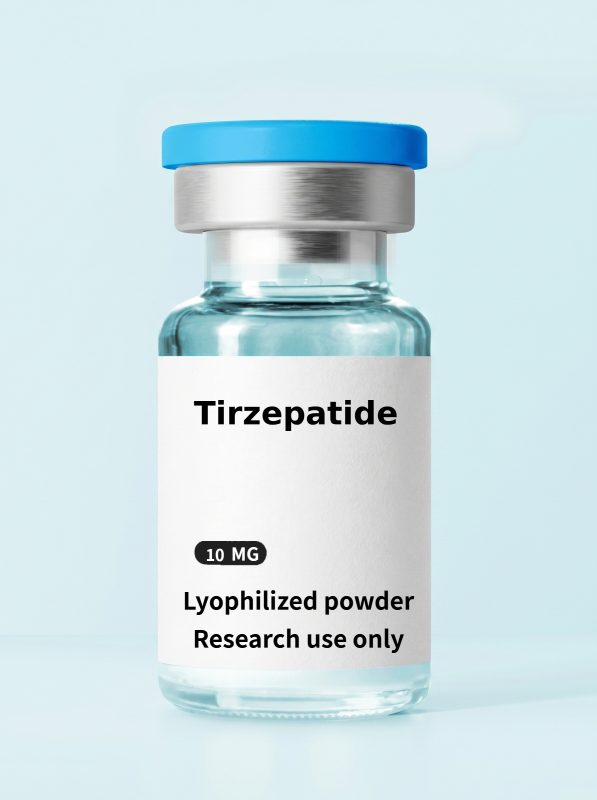
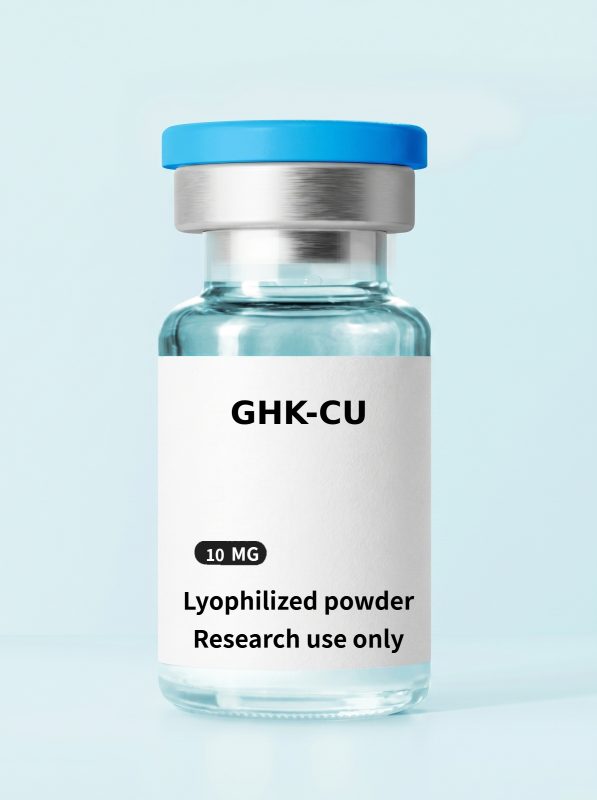
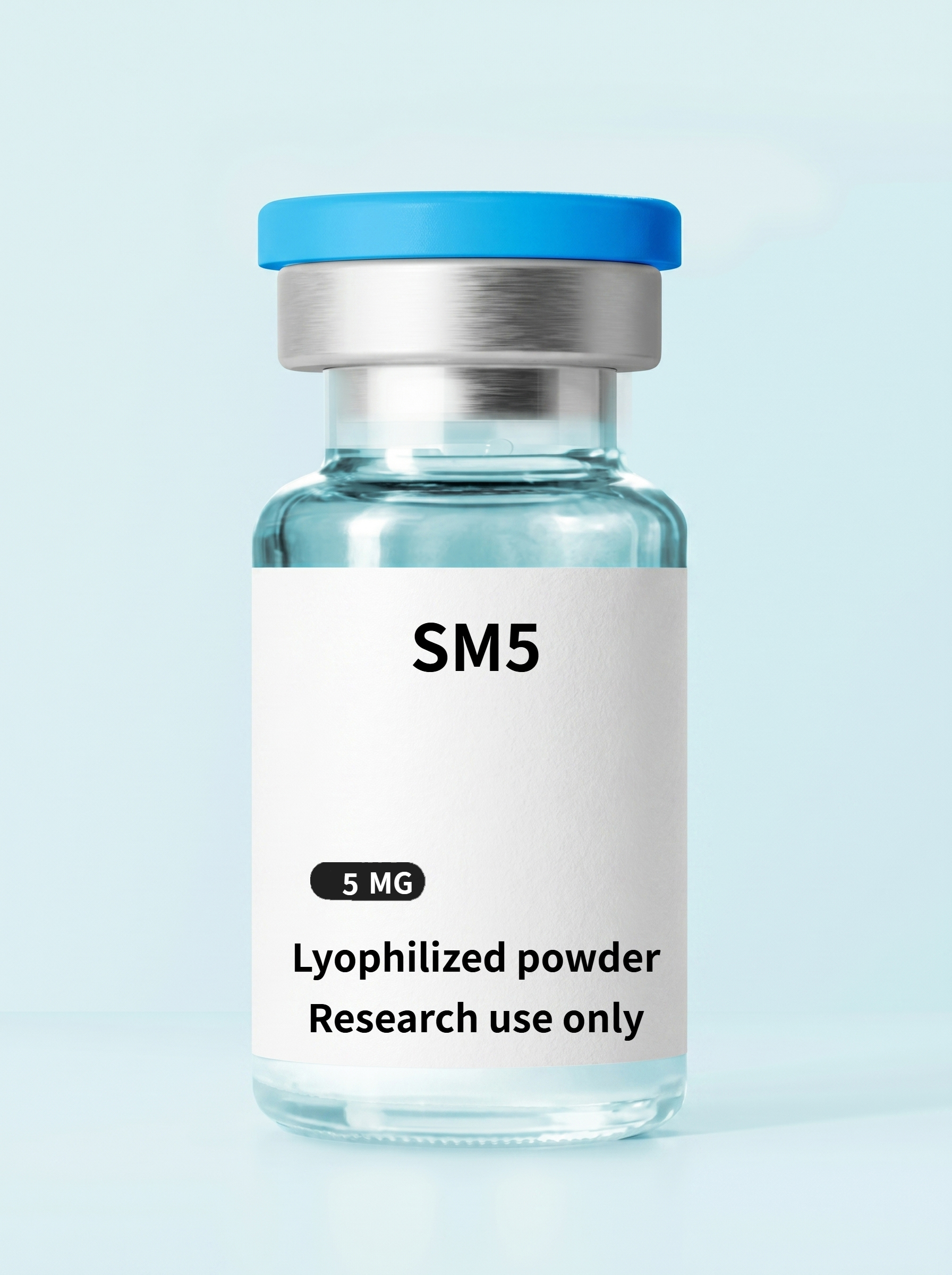
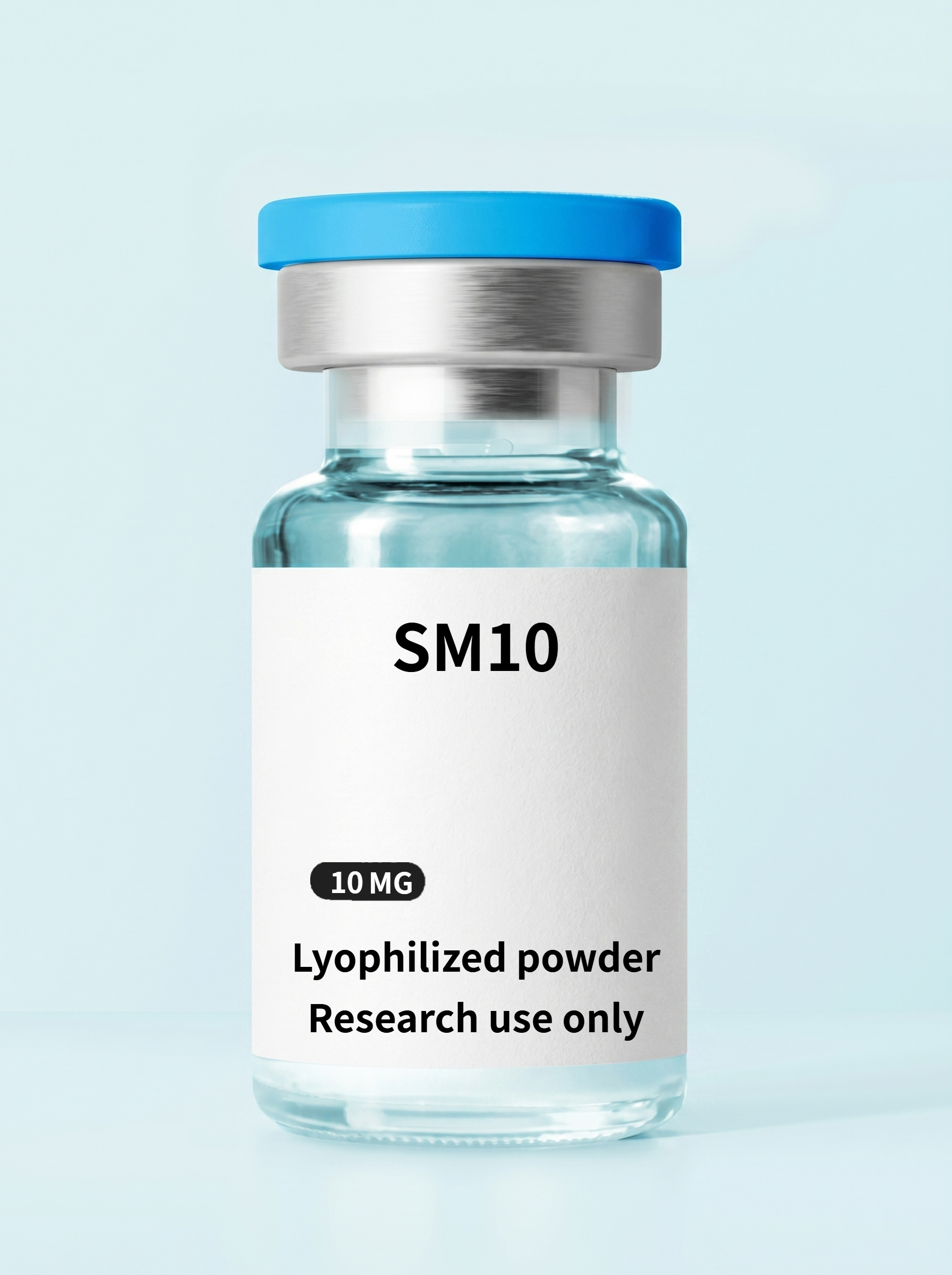
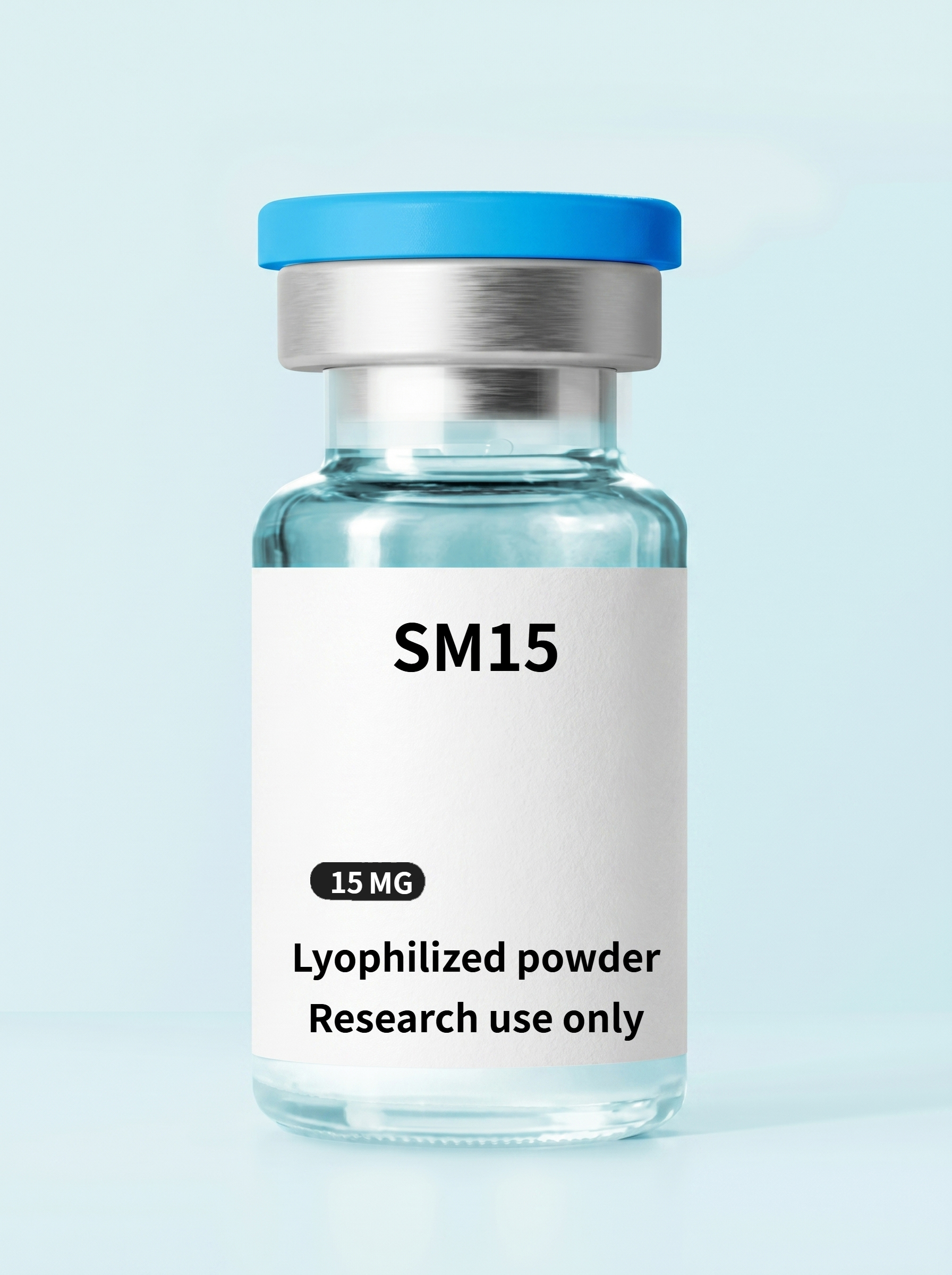
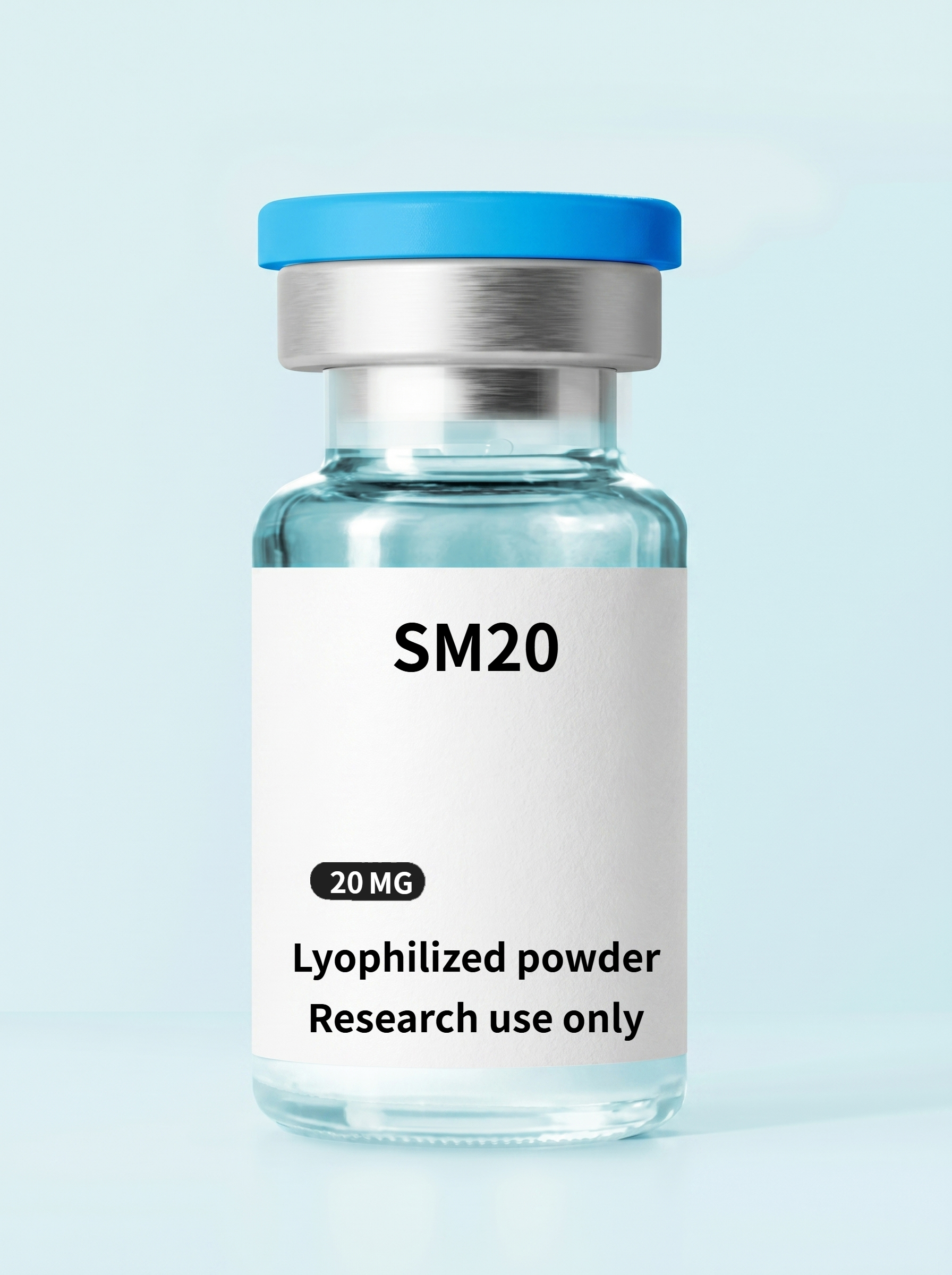
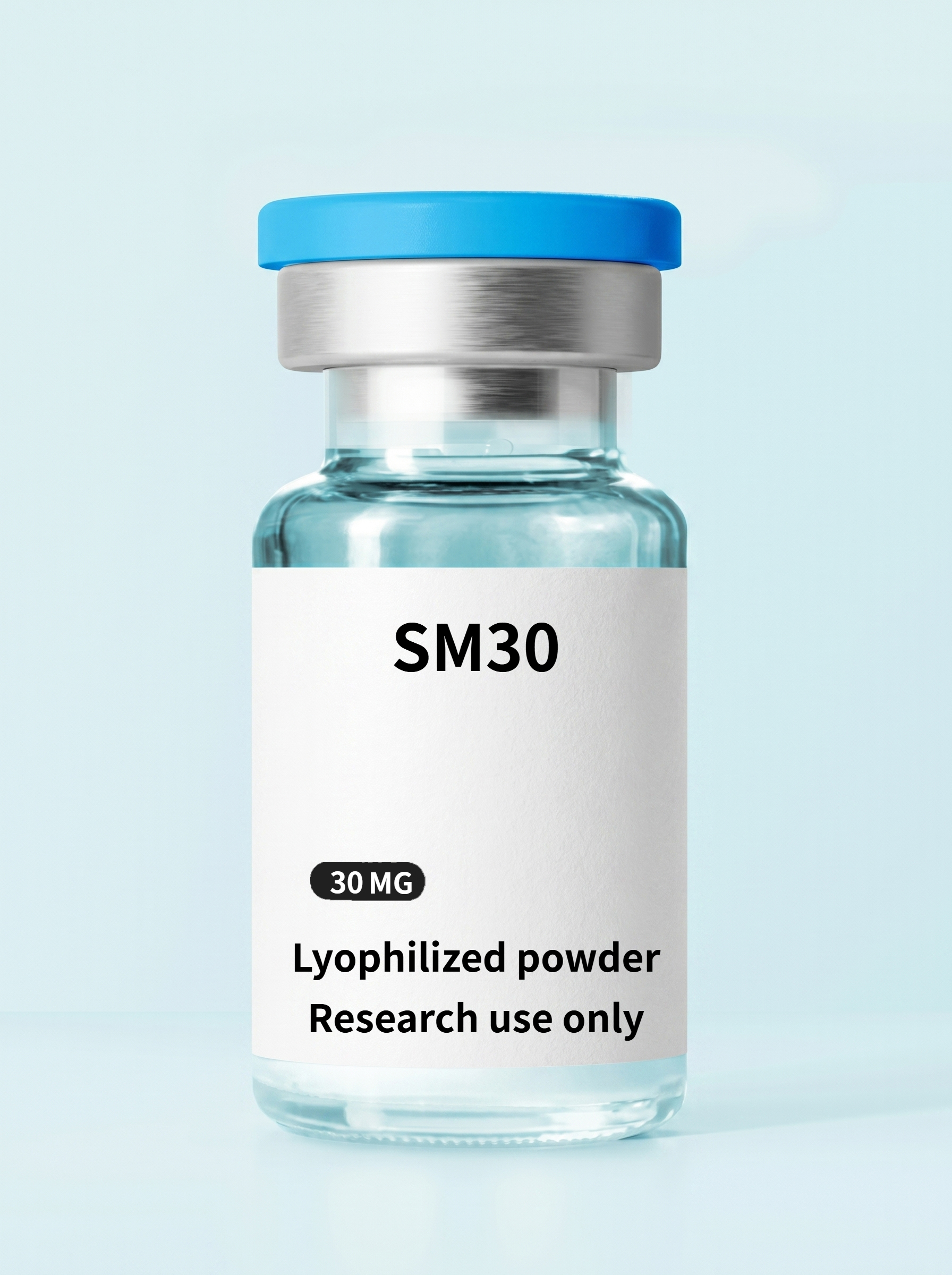
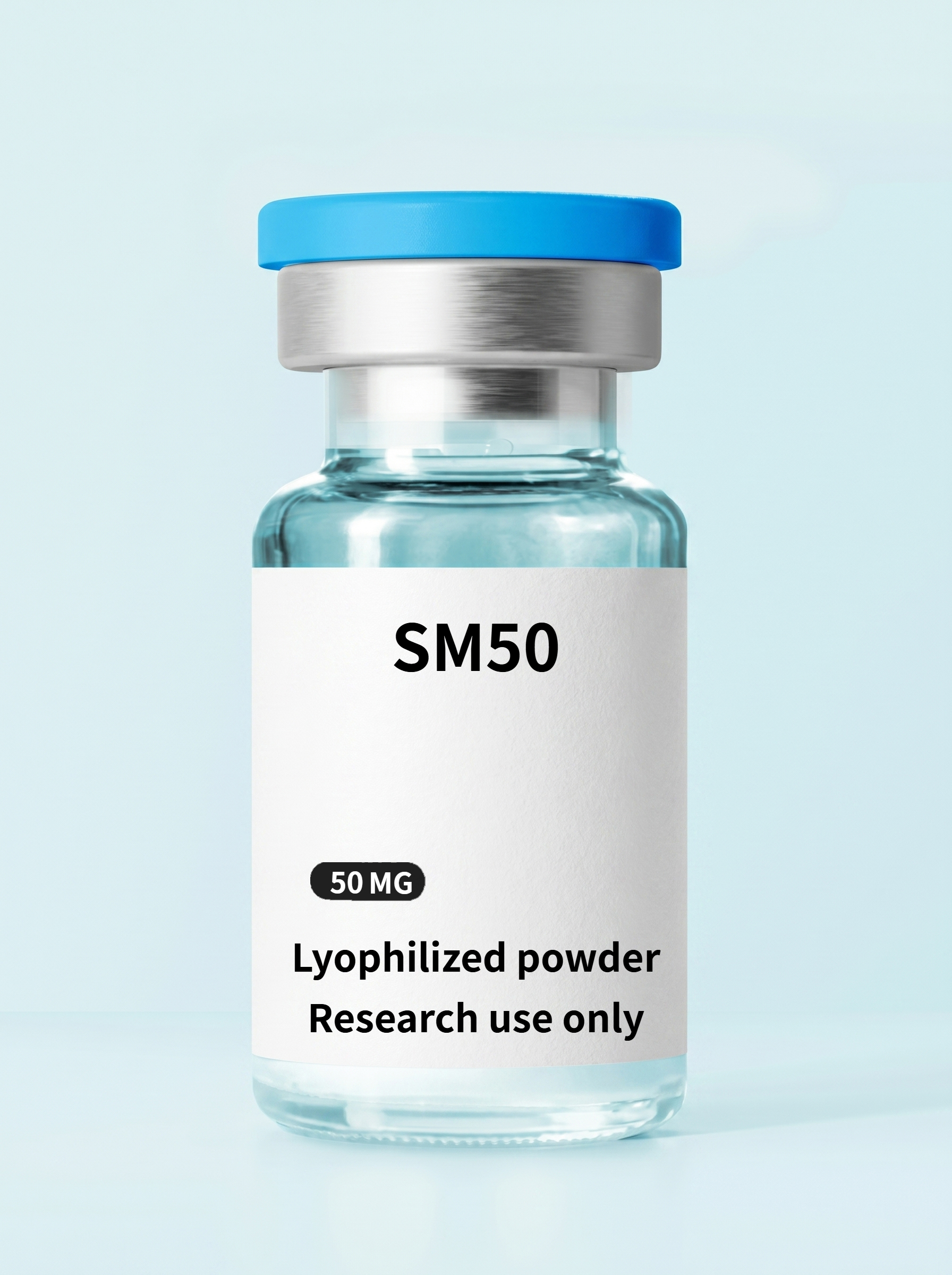
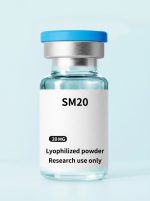
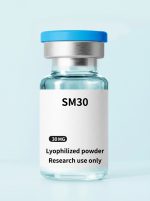
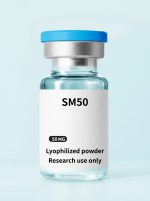
Price range: $35.00 through $125.00
What is Semaglutide? Overview
In the long exploration of metabolic disease treatment, a polypeptide molecule that is reshaping the landscape of blood glucose and weight management has emerged—Semaglutide, a long-acting single-target synthetic polypeptide derived from the natural human glucagon-like peptide-1 (GLP-1), embodying decades of Novo Nordisk's research and development expertise. It is not a simple replication of the hormone in the body, but rather, through precise molecular-level modification, it retains the core activity of natural GLP-1 while endowing it with unprecedented stability and long-lasting effect, acting like a steady navigator, maintaining precise regulation in a fluctuating metabolic system.
The metabolic stability of this compound is a revolutionary breakthrough. Natural GLP-1 is enzymatically inactivated within minutes in the body, while Semaglutide, after special structural modification, has a half-life of up to 165 hours (approximately 7 days), enabling convenient once-weekly dosing. Researchers have described it this way: it's like a sturdy lighthouse, consistently shining brightly in a rapidly changing physiological environment, guiding metabolic balance, while natural GLP-1 is as fleeting as a shooting star.
Semaglutide Peptide Structure
Amino Acid Sequence: H-Aib-Gly-Glu-Gly-Thr-Phe-Thr-Ser-Asp-Val-Ser-Ser-Tyr-Leu-Glu-Gly-Gln-Ala-Ala-Lys(γ-Glu-C₁₈-diacid)-Glu-Phe-Ile-Ala-Trp-Leu-Val-Lys-Gly-Arg-Gly-OH
This 31-amino acid peptide chain shares 94% sequence homology with natural human GLP-1. Only three key modifications contribute to its superior properties:
The 8th alanine (Ala) is replaced by α-aminoisobutyric acid (Aib): This acts like adding an "anti-degradation shield" to the molecule, making it completely resistant to the rapid degradation by dipeptidyl peptidase-4 (DPP-4).
The 26th lysine residue (Lys) is linked to the C-18 fatty acid diacid side chain: this special linker conjugates long-chain fatty acids, enhancing their binding affinity to plasma albumin and significantly reducing renal clearance.
The 34th lysine residue (Lys) is replaced by arginine (Arg): this ensures that the fatty acid chain binds precisely at position 26, avoiding molecular misconfiguration and optimizing receptor affinity.
These three modifications work synergistically, allowing semaglutide to both precisely activate the GLP-1 receptor and maintain stable persistence in vivo. When it binds to the target cell receptor, it triggers a series of cascade reactions: glucose-dependent promotion of insulin secretion, inhibition of glucagon release, delay of gastric emptying, and regulation of central appetite. Each step of signal transduction is precise and orderly, like the meshing of gears in a fine clock; researchers, while recording data, could not hide their admiration for the ingenuity of this molecular design.
To date, core research on semaglutide has progressed from cell and animal models to large-scale Phase III clinical trials, fully validating its safety and efficacy in humans, making it a milestone drug in the treatment of metabolic diseases.
Semaglutide Peptide and Weight Management
In the treatment of obesity, semaglutide's efficacy has overturned traditional understanding. In the global pivotal Phase III STEP clinical trial, obese patients with a baseline average weight of 105 kg, after 68 weeks of treatment with a weekly dose of 2.4 mg, achieved an average weight loss of 16%-18% (approximately 17-19 kg), with nearly half of the patients losing more than 20%. After the approval of a higher dose of 7.2 mg weekly formulation, the average weight loss reached 20.7%, with approximately one-third of patients losing more than 25%, far exceeding the effectiveness of any previous weight-loss drug.
Its weight loss mechanism is interconnected, comprehensively regulating energy balance:
* Central appetite suppression: Penetrates the blood-brain barrier, activates the hypothalamic satiety center, suppresses hunger signals, allowing patients to naturally reduce calorie intake without deliberate dieting.
* Peripheral delayed gastric emptying: Prolongs the time food stays in the gastrointestinal tract, enhances postprandial satiety, stabilizes blood sugar fluctuations, and prevents overeating.
* Reduced fat synthesis: Inhibits hepatic lipid production and promotes fat cell breakdown, achieving a dual effect of "less intake, more expenditure."
More importantly, Semaglutide weight loss primarily focuses on fat reduction with extremely low muscle loss. Patients not only lose weight but also achieve a more toned physique and comprehensive improvement in metabolic indicators, completely overcoming the "thin and weak" predicament of traditional weight loss methods.
Semaglutide peptides and blood sugar control: As a benchmark for GLP-1 drugs, Semaglutide's blood sugar lowering effect is precise and safe. It works in a glucose-dependent manner—stimulating insulin secretion and inhibiting glucagon only when blood glucose levels are high, remaining silent when blood glucose is normal, thus eliminating the risk of hypoglycemia at its source.
In patients with type 2 diabetes, treatment with semaglutide resulted in an average reduction of 1.5%-2.0% in glycated hemoglobin (HbA1c), significantly superior to traditional hypoglycemic drugs. It not only rapidly lowers blood glucose but also protects pancreatic β-cell function, slowing the progression of diabetes. Clinical trials show that over 60% of patients achieved target blood glucose levels after treatment, and some early-stage patients were able to reduce or even discontinue other hypoglycemic drugs.
Semaglutide peptides comprehensively improve metabolic syndrome.
The therapeutic value of semaglutide far exceeds that of simply lowering blood glucose and reducing weight, achieving "multi-dimensional repair" of metabolic syndrome:
* **Lipid optimization:** Reducing triglycerides by more than 30%, reducing bad cholesterol, and improving non-alcoholic fatty liver disease.
* **Blood pressure regulation:** Systolic blood pressure decreased by an average of 5-10 mmHg, reducing vascular pressure and lowering the risk of cardiovascular events.
Cardiovascular Protection: Large-scale clinical trials have confirmed that it can significantly reduce the risk of major adverse cardiovascular events in patients with type 2 diabetes by up to 26%.
Kidney Benefits: Reduces urinary protein excretion, slows the progression of diabetic nephropathy, and reduces the risk of kidney failure.
Joint and Quality of Life: Reduces obesity-related joint pain, improves physical function, and significantly improves patients' exercise capacity and quality of life scores.
Semaglutide Peptide and Safety: Experience from millions of patients worldwide and large-scale clinical trials have confirmed that Semaglutide has a good safety profile. Adverse reactions are mostly mild to moderate and gradually subside over time:
Common Reactions: Gastrointestinal discomfort (nausea 30%-45%, diarrhea 20%-30%, vomiting 10%-15%), mostly occurring during dose escalation and gradually lessening as the body adapts.
Special Reactions: Mild fatigue, dizziness, or abnormal skin sensations, with a low incidence and transient nature, not affecting daily activities.
Serious Risks: Rare pancreatitis, gallbladder disease, etc., with an incidence of less than 1%, which can be effectively avoided by monitoring as directed by a physician during medication.
Discontinuation Rate: The discontinuation rate due to adverse reactions in the standard dose group is approximately 10%-15%, significantly lower than similar drugs, indicating excellent overall tolerability.
Future Semaglutide Research and Clinical Trials
The clinical application boundaries of Semaglutide continue to expand, with breakthroughs in new indication research:
Approved: Type 2 diabetes (Ozempic), long-term weight management for obesity/overweight (Wegovy), and reduction of high-risk cardiovascular disease in type 2 diabetes.
Ongoing: Multiple Phase III studies in oral formulations (once daily), diabetic nephropathy, non-alcoholic steatohepatitis (NASH), obstructive sleep apnea, and chronic pain.
Regulatory Progress: Approved in over 60 countries worldwide, the oral formulation is expected to receive FDA approval in 2025, becoming the world's first GLP-1 oral weight loss drug.
Our Semaglutide has the following significant characteristics:
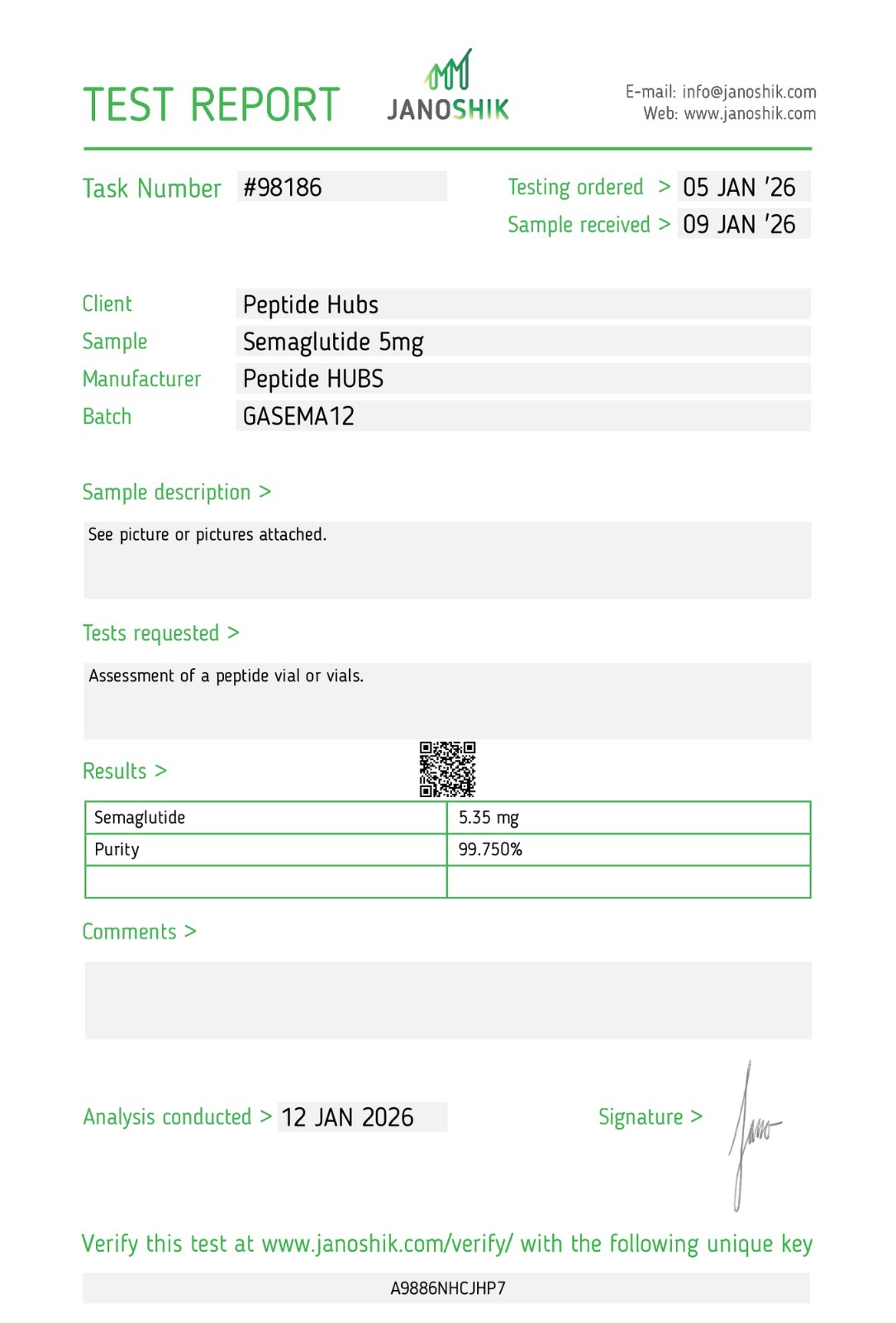
High Purity Guarantee: Each batch of product undergoes dual testing by HPLC and mass spectrometry, with a purity ≥99%, verified by an independent third-party laboratory.
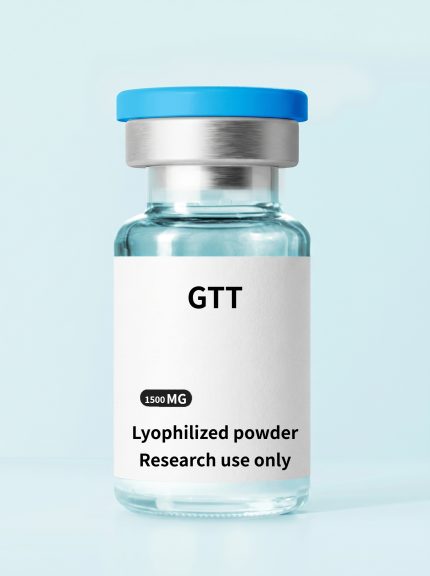
Precise Dosage: 5mg vials, suitable for research and preclinical studies, offering flexible formulation and avoiding waste.
Ultra-Strong Stability: Lyophilized powder formulation, can be stored long-term at -20℃ without activity degradation, suitable for global laboratory transportation and storage conditions.
Research-Specific: Strictly manufactured according to GMP standards, suitable for cell experiments, animal models, and preclinical pharmacodynamic studies.
For researchers exploring cutting-edge treatments for metabolic diseases and seeking stable and efficient research tools, Semaglutide is undoubtedly the key to unlocking a new era of precision metabolic therapy.
Unopened Powder
Store the sealed Semaglutide vials in a cool, dry place, away from direct sunlight and moisture. You can leave it at room temperature briefly, but longer storage is better—refrigerate at 2–8°C if you plan to use it within a few weeks. If you plan to store it for an even longer period, freeze it at -20°C; it can be stored for several months.
After Reconstitution
Mix the peptides with the antibacterial water and immediately refrigerate at 2–8°C. Note: Do not freeze after mixing. Temperature fluctuations will damage the peptide structure. Keep the vials in a cool, dark place in the refrigerator, or wrap them in aluminum foil—light is detrimental to peptide stability.
Shelf Life
Properly refrigerated Semaglutide can typically be stored for 28 to 56 days. However, note that its potency will decrease over time. Before each use, quickly check the solution. Discard the solution if it is cloudy, discolored, or contains floating matter. Handling and Safety: Always use aseptic techniques when handling peptides. Avoid frequent opening of vials—each opening introduces air, affecting peptide stability. Also, avoid repeated freeze-thaw cycles, as this accelerates peptide breakdown. Ensure containers are tightly sealed to prevent moisture absorption.
Quick Tip: Powdered products are best stored at 2–8°C. After mixing, use within 4–8 weeks and always refrigerate. Always protect from light, heat, and moisture. For clinical applications or specific handling guidelines, consult the product instructions or a qualified researcher.
What are the storage Semaglutide
Store it at -20°C until use. After reconstitution, refrigerate and consume within 30 days. It is very easy to use, even for graduate students.
Is it legal to purchase for research use?
It is completely legal for laboratory and educational use. The U.S. Food and Drug Administration (FDA) has not approved it for therapeutic use, but related research can be conducted without legal hindrance. Do not self-medicate—this is both illegal and unwise.
How to recombine the peptide?
Use immediately with sterile water. Antibacterial water can prolong the stability of the solution. Add the liquid slowly dropwise along the side of the vial—adding it directly to the powder will cause unnecessary agitation.
Is there an analytical certificate?
Each batch of product includes complete analysis. HPLC purity testing, mass spectrometry confirmation, endotoxin level testing—all the tests expected by professional researchers are included.
What if recombination fails?
Contact us immediately. We prefer to guide you through the entire process rather than waste valuable peptides due to rushed operations or unfamiliarity with the correct techniques.


No account yet?
Create an AccountOnly registered users can access this website. You must log in or create an account to place an order.
The products on this website are for legitimate research use only. They have not been evaluated by the Food and Drug Administration (FDA), and they are not intended to prevent, treat, or cure any disease or for human consumption. Please comply with all applicable laws and regulations. Consult with a qualified researcher before beginning any study.
Age Restrictions: By accessing this site, you acknowledge that you are at least 21 years of age, understand these terms, and have a legitimate research basis for purchasing these products.
* Note: All of our compounds are sold separately and do not include research supplies such as bacteriostatic water or syringes. Most are sold in powder form and need to be reconstituted with a suitable diluent solution prior to study.

Reviews
There are no reviews yet.