
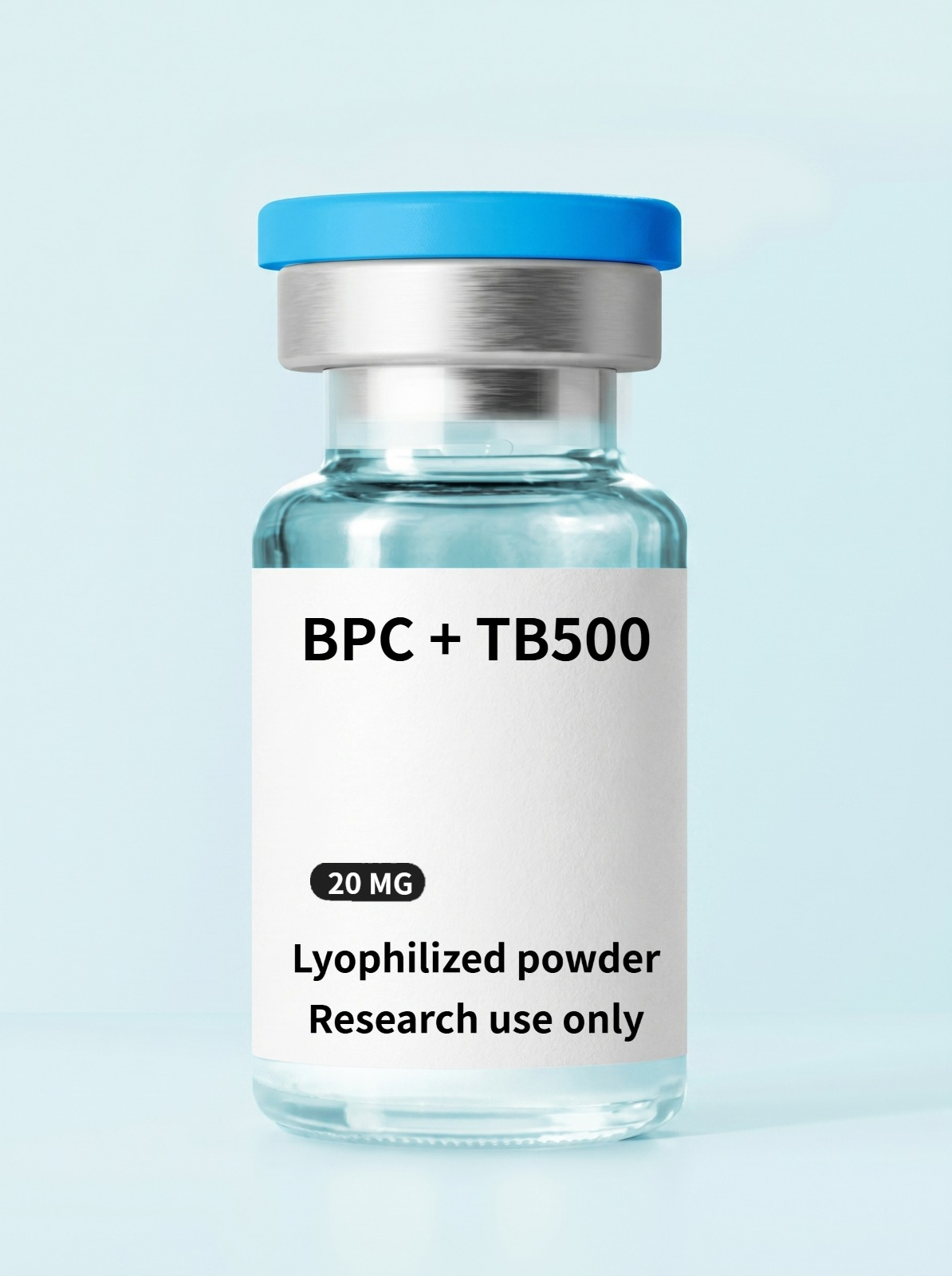
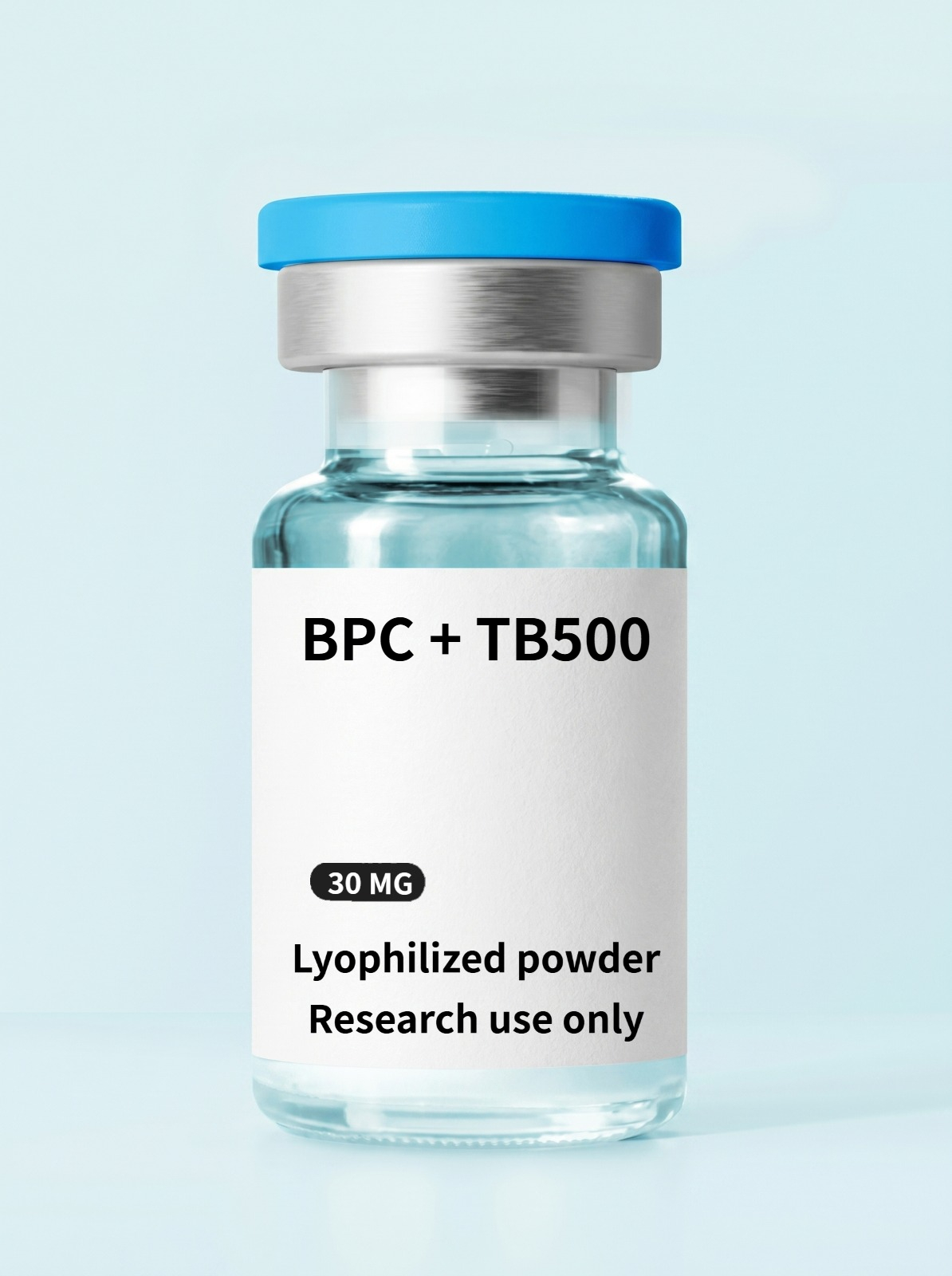
Price range: $115.00 through $330.00
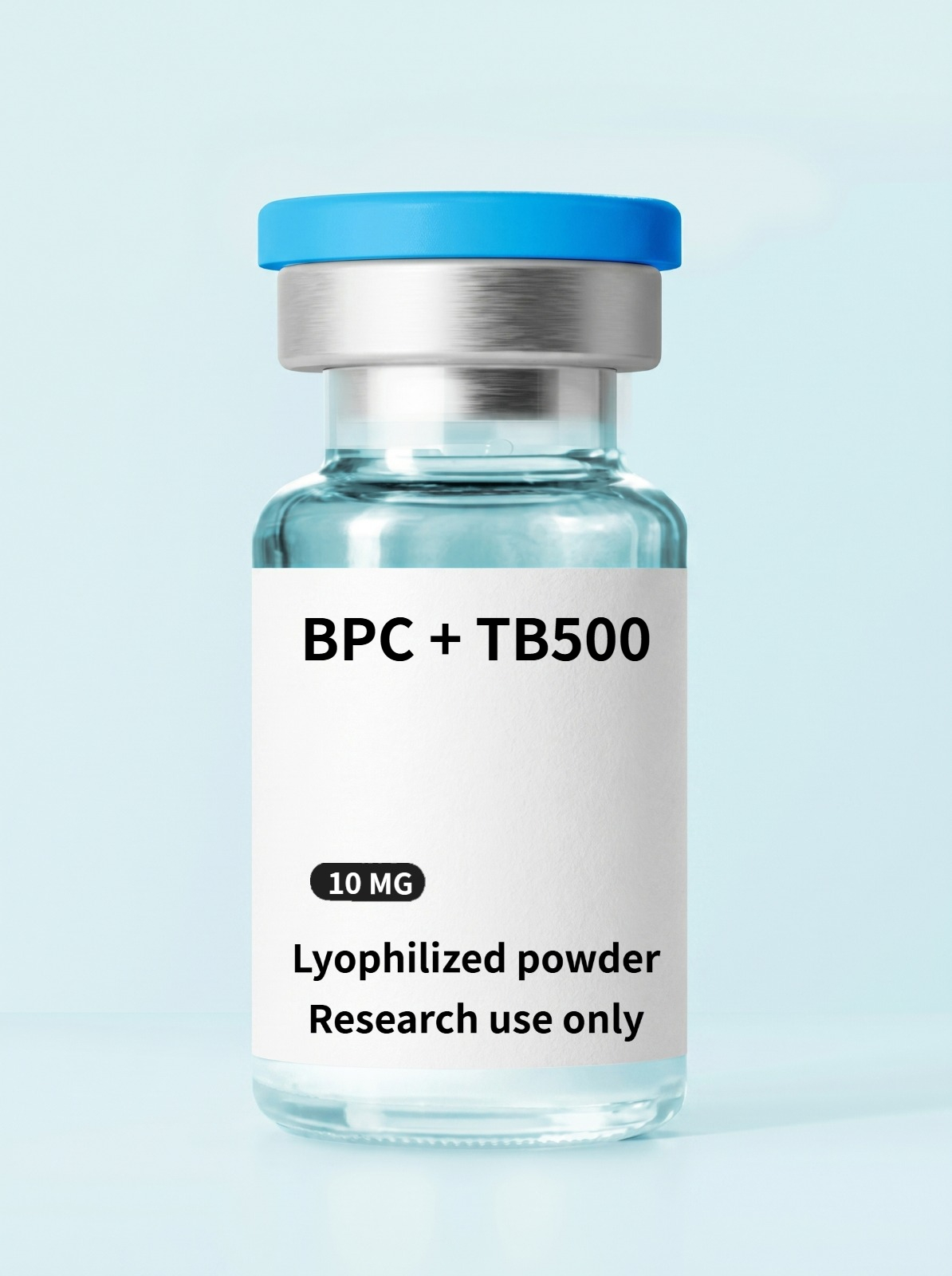
BPC-157 + TB-500 Peptides: The "Golden Combination" of Regenerative Medicine
In the field of tissue repair and regenerative medicine, the BPC-157 and TB-500 complex peptides, with their dual advantages of precise local repair and systemic regeneration, have become a core combination for repairing muscles, tendons, ligaments, intestines, and skin, hailed by the academic community as the "Wolverine Repair Peptide Kit." It is not simply a combination of single-function peptides, but a comprehensive repair system constructed through the precise synergistic action of complementary signaling pathways, encompassing angiogenesis, cell migration, and tissue remodeling, providing a breakthrough solution for the treatment of chronic injuries, postoperative rehabilitation, and degenerative diseases.
BPC-157 + TB-500 Peptide Structure: Precise Design of Bimolecular Coordination
BPC-157 Structure
Overview: A synthetic pentapeptide composed of 15 amino acids, derived from a fragment of a gastric protective protein in human gastric juice. Amino acid sequence: Gly-Glu-Pro-Pro-Gly-Lys-Pro-Arg-Ala-Gly-Asp-Ala-Leu-Val-Leu.
Core characteristics: Resistant to gastric acid degradation, high thermal stability, maintains high activity in vivo without special modification, half-life of approximately 4-6 hours, can be administered subcutaneously or orally.
TB-500 Structure
Main component: A synthetic peptide composed of 43 amino acids, the active core fragment of thymosin β4, with the molecular formula C₂₁₂H₃₅₀N₅₆O₇₈S and a molecular weight of 4963 Da.
Main characteristics: N-terminal acetylation enhances its stability; targets and binds to G-actin; half-life of approximately 2.5-3 hours; systemic distribution after subcutaneous injection, preferentially accumulating in damaged tissues.
Synergistic Combination Logic: BPC-157 primarily acts on local angiogenesis and microenvironment repair, while TB-500 primarily acts on systemic cell migration and cytoskeleton remodeling. Together, they constitute a closed-loop repair mechanism of "vascular pathway construction + cell migration," achieving a regenerative effect greater than the sum of its parts (1+1>2).
Mechanism of Action of BPC-157 + TB-500 Peptides: Precise Regulation of Whole-Chain Repair
1. BPC-157: The "Vascular Engineer" of Local Repair
Activating the VEGF/EGR-1 pathway: Promotes angiogenesis at the site of injury, restores local microcirculation, and delivers oxygen and nutrients to repair cells.
Regulating the NO system: Balances vasodilation and vasoconstriction, reduces post-injury edema and inflammation, and protects vascular endothelial cells.
Promoting collagen synthesis: Upregulates fibroblast activity, accelerates collagen deposition in tendons and ligaments, and enhances tissue resilience.
Intestinal protection: Repairs gastrointestinal mucosal damage, regulates gut microbiota, and improves leaky gut and chronic inflammation.
2. TB-500: The "Cellular Commander" of Systemic Regeneration
Acetyl-CoA Regulation: Binds to G-actin monomers, inhibiting their polymerization into F-actin, remodeling the cytoskeleton, and activating cell migration.
Angiogenesis: Upregulates VEGF/FGF-2 expression, promoting endothelial cell migration and vascular network reconstruction, improving blood supply to ischemic tissues.
Anti-inflammatory Effect: Inhibits the NF-κB pathway, reducing pro-inflammatory factors such as TNF-α and IL-6, alleviating chronic inflammatory damage.
Stem Cell Mobilization: Promotes the homing of bone marrow stem cells to the injury site, differentiating them into functional cells, and accelerating tissue regeneration.
3. Synergistic Repair: A Regenerative Effect of 1+1>2
Vascular Level: BPC-157 initiates local angiogenesis, while TB-500 promotes endothelial cell migration and extension, forming a complete vascular network.
Cellular Level: BPC-157 activates local fibroblasts, while TB-500 mobilizes systemic repair cells, accelerating cell proliferation at the injury site.
At the inflammatory level: BPC-157 reduces local inflammation, while TB-500 inhibits systemic inflammatory responses, creating a low-inflammatory repair microenvironment.
At the matrix level: BPC-157 promotes collagen deposition, while TB-500 regulates matrix metalloproteinases (MMPs), achieving functional tissue remodeling and reducing scar formation.
BPC-157 + TB-500 Peptides and Tissue Repair: A Breakthrough in Multi-Scenario Regeneration
1. Muscle and Soft Tissue Injuries: Accelerates recovery and reduces scar formation.
Repair Effects: Significantly shortens the recovery period for muscle strains and tears, promotes muscle fiber regeneration, reduces fibrotic scars, and enhances muscle strength and elasticity.
**Applicable Scenarios:** Sports injuries, postoperative muscle repair, chronic muscle strains.
2. **Tendon and Ligament Repair:** Enhances resilience and eliminates chronic pain.
Repair Effects: Promotes the orderly arrangement of collagen fibers.
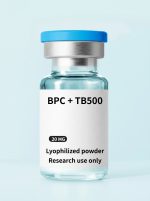
Note: BPC157 + TB500 is for research and educational purposes only. This product has not been evaluated by the U.S. Food and Drug Administration (FDA) and is not intended to diagnose, treat, cure, or prevent any disease. It is not for human consumption. Please comply with all applicable laws and regulations. Consult a qualified researcher before starting any research.
Unopened Powder
Store the sealed BPC157 + TB500 vials in a cool, dry place, away from direct sunlight and moisture. You can leave it at room temperature briefly, but longer storage is better—refrigerate at 2–8°C if you plan to use it within a few weeks. If you plan to store it for an even longer period, freeze it at -20°C; it can be stored for several months.
After Reconstitution
Mix the peptides with the antibacterial water and immediately refrigerate at 2–8°C. Note: Do not freeze after mixing. Temperature fluctuations will damage the peptide structure. Keep the vials in a cool, dark place in the refrigerator, or wrap them in aluminum foil—light is detrimental to peptide stability.
Shelf Life
Properly refrigerated reconstituted BPC157 + TB500 can typically be stored for 28 to 56 days. However, note that its potency will decrease over time. Before each use, quickly check the solution. Discard the solution if it is cloudy, discolored, or contains floating matter. Handling and Safety: Always use aseptic techniques when handling peptides. Avoid frequent opening of vials—each opening introduces air, affecting peptide stability. Also, avoid repeated freeze-thaw cycles, as this accelerates peptide breakdown. Ensure containers are tightly sealed to prevent moisture absorption.
Quick Tip: Powdered products are best stored at 2–8°C. After mixing, use within 4–8 weeks and always refrigerate. Always protect from light, heat, and moisture. For clinical applications or specific handling guidelines, consult the product instructions or a qualified researcher.
What are the storage conditions for BPC157 + TB500?
Store it at -20°C until use. After reconstitution, refrigerate and consume within 30 days. It is very easy to use, even for graduate students.
Is it legal to purchase for research use?
It is completely legal for laboratory and educational use. The U.S. Food and Drug Administration (FDA) has not approved it for therapeutic use, but related research can be conducted without legal hindrance. Do not self-medicate—this is both illegal and unwise.
How to recombine the peptide?
Use immediately with sterile water. Antibacterial water can prolong the stability of the solution. Add the liquid slowly dropwise along the side of the vial—adding it directly to the powder will cause unnecessary agitation.
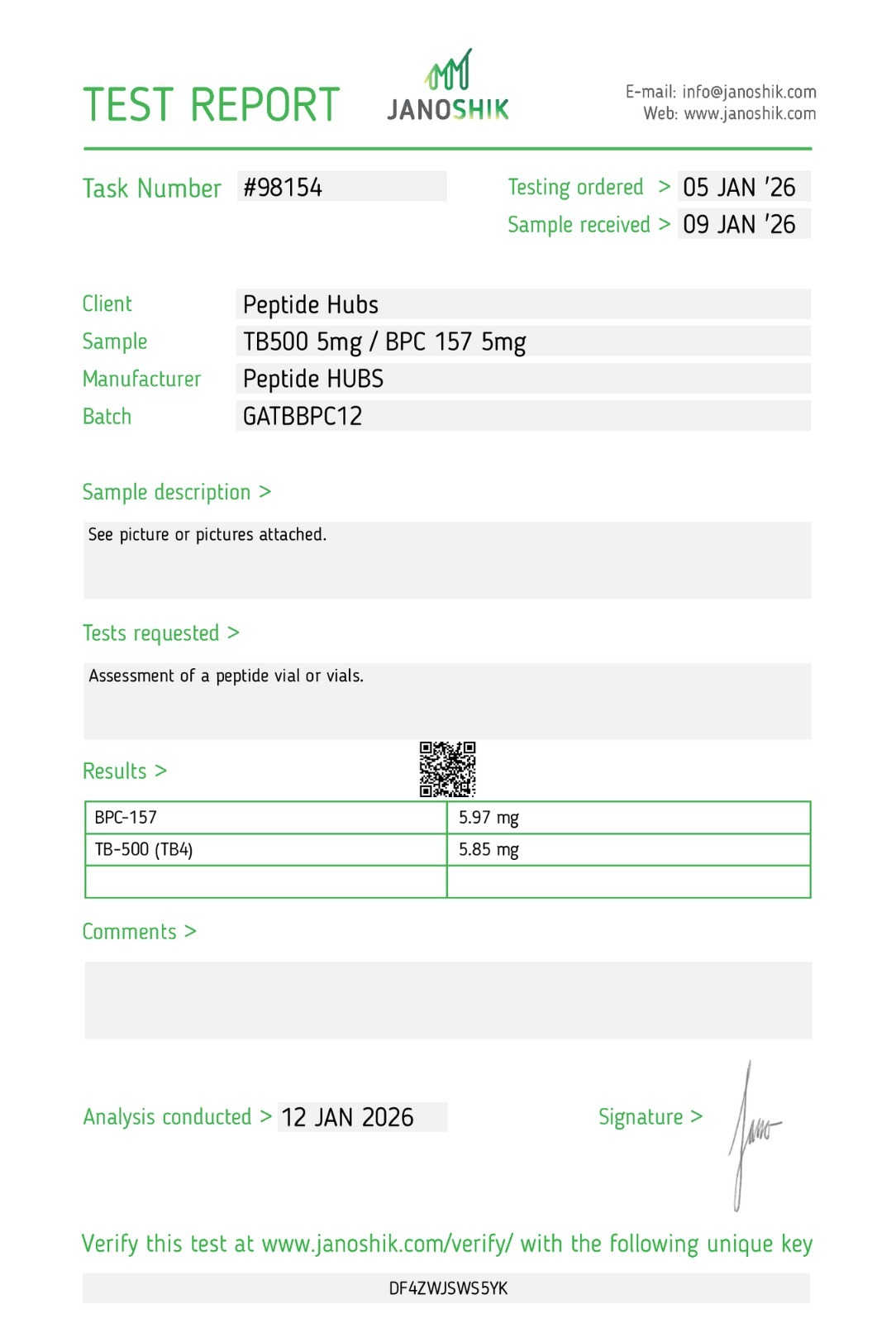
Is there an analytical certificate?
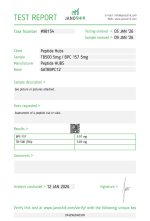
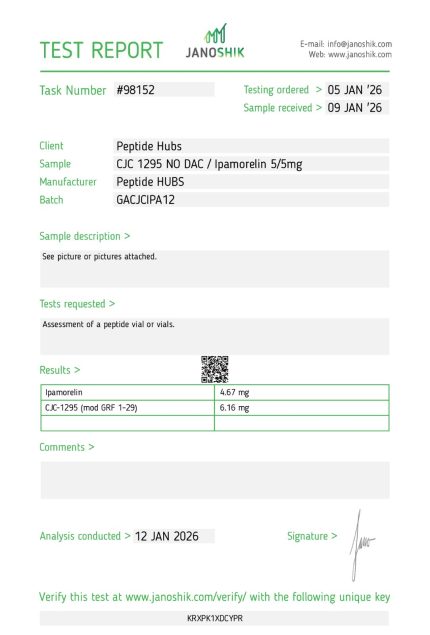
Each batch of product includes complete analysis. HPLC purity testing, mass spectrometry confirmation, endotoxin level testing—all the tests expected by professional researchers are included.
What if recombination fails?
Contact us immediately. We prefer to guide you through the entire process rather than waste valuable peptides due to rushed operations or unfamiliarity with the correct techniques.


No account yet?
Create an AccountOnly registered users can access this website. You must log in or create an account to place an order.
The products on this website are for legitimate research use only. They have not been evaluated by the Food and Drug Administration (FDA), and they are not intended to prevent, treat, or cure any disease or for human consumption. Please comply with all applicable laws and regulations. Consult with a qualified researcher before beginning any study.
Age Restrictions: By accessing this site, you acknowledge that you are at least 21 years of age, understand these terms, and have a legitimate research basis for purchasing these products.
* Note: All of our compounds are sold separately and do not include research supplies such as bacteriostatic water or syringes. Most are sold in powder form and need to be reconstituted with a suitable diluent solution prior to study.

Reviews
There are no reviews yet.