
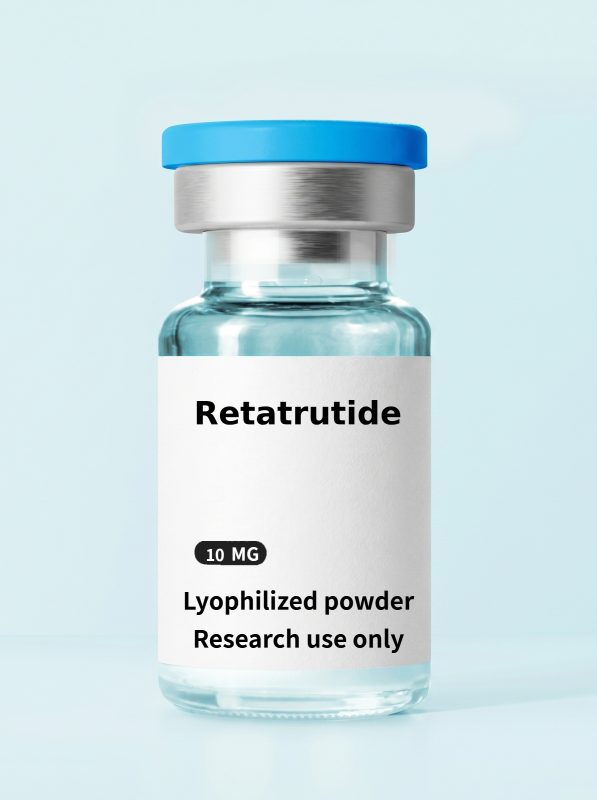
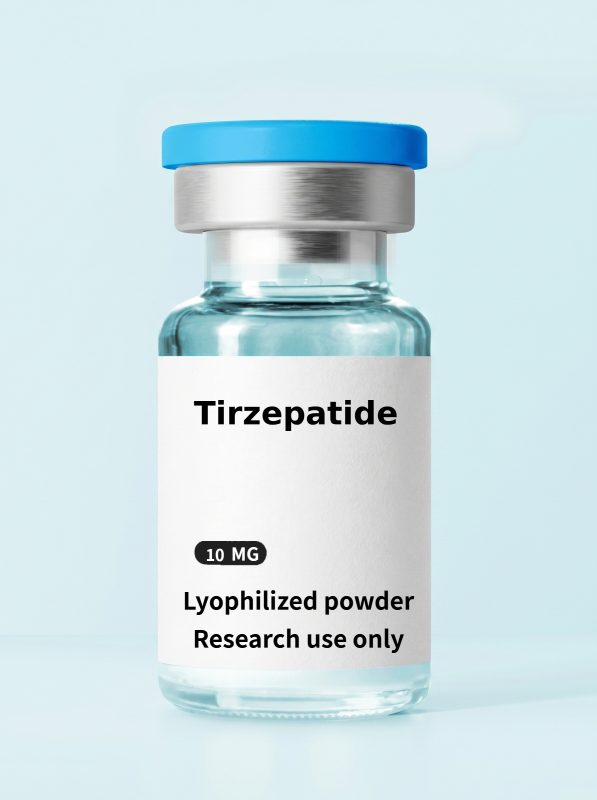
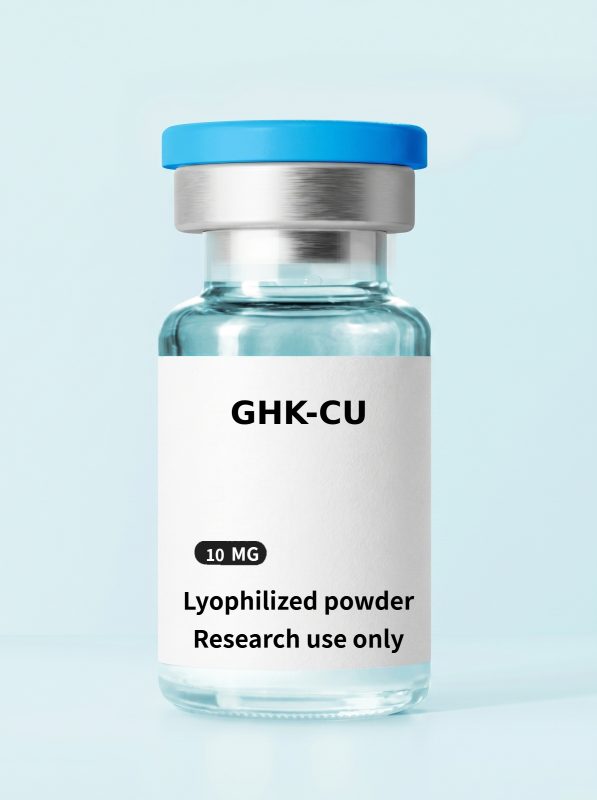
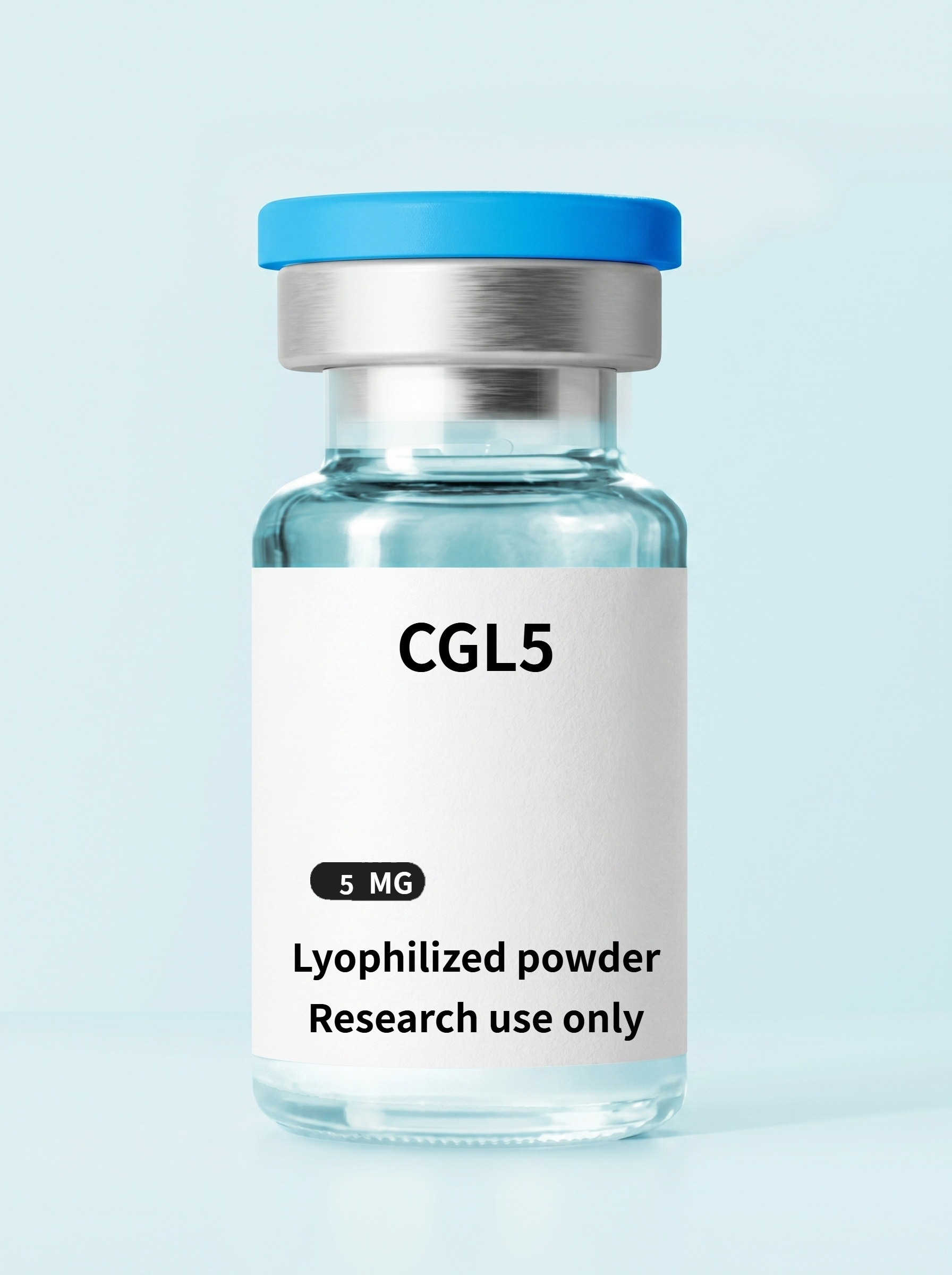
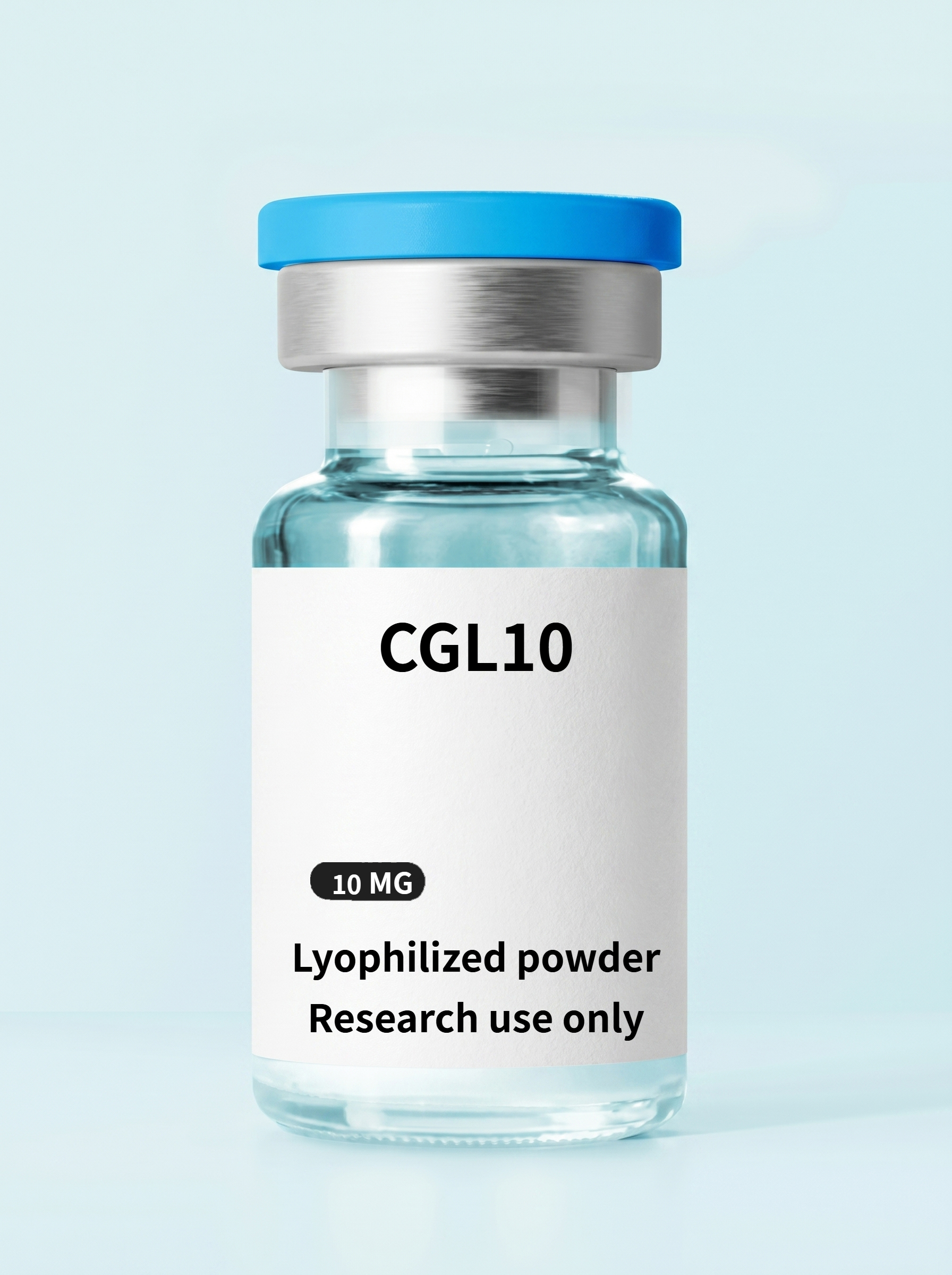
Price range: $135.00 through $245.00
Cagrilintide 5 mg - Premium Research Peptide | PeptideHubs
What is Cagrilintide? Overview
At the forefront of research in metabolic disease regulation, obesity, and glycemic management, a synthetic peptide combining precise targeting and long-lasting activity is becoming a research focus—Cagrilintide, a long-acting amylin analog developed by Novo Nordisk. As an optimized and upgraded molecule of the non-selective melanocortin receptor agonist, its core advantage lies in precisely activating amylin receptors (AMYRs) while avoiding the side effects of irrelevant receptor activation. It is a powerful research tool specifically designed for metabolic disorder research. It does not simply regulate appetite or blood sugar, but rather achieves weight loss and glycemic homeostasis simultaneously by synergistically regulating the appetite center, gastric emptying, and energy metabolism. Like a precise metabolic regulator, it plays an irreplaceable role in the study of the mechanisms of metabolic diseases such as obesity and type 2 diabetes.
The unique advantage of this peptide lies in its perfect combination of "high selectivity" and "long-lasting effect." Compared to traditional amylintide analogs (such as pramlintide), which non-selectively activate amylin and calcitonin receptors (CTRs) and are prone to causing bone and kidney side effects, Cagrilintide, through precise molecular design, achieves 106 times the AMYR/CTR selectivity. It can precisely target the weight-loss-related AMY3 receptor subtype while significantly reducing the risks associated with the activation of irrelevant receptors. Furthermore, its specially modified structure results in a long in vivo half-life of 7-8 days, allowing for once-weekly dosing and overcoming the drawbacks of traditional peptides, such as short-lived action and the need for frequent administration. Researchers have described it as a precisely calibrated key that unlocks only the core pathways of metabolic regulation, avoiding the "ineffective locks" associated with side effects, while traditional amylintide analogs are like a master key—effective but prone to triggering adverse reactions from irrelevant pathways.
As a core research peptide in the field of metabolism at Novo Nordisk, Cagrilintide has progressed from cell experiments and animal models to global multicenter Phase III clinical trials. Its excellent performance in weight loss, glycemic control, and cardiovascular protection has made it a core tool for studying the mechanisms of metabolic diseases and developing novel drugs, especially in the study of GLP-1 receptor agonist combination therapy, where it has demonstrated a synergistic effect of "1+1>2".
Cagrilintide Peptide Structure: Amino Acid Sequence: A synthetic peptide modified from natural amylin (a 37-amino acid polypeptide). The core sequence contains a key D-arginine (D-Arg) mutation. The N-terminus is modified with a γ-glutamic acid linker and a C20 fatty acid diacid, forming a stable lipotropic structure. CAS-related derivatives have completed preclinical validation. Its molecular weight is suitable for long-acting metabolism, making it a typical lipotropic modified synthetic peptide.
Its structure is ingeniously designed and highly targeted. Every modification and mutation is aimed at enhancing selectivity, long-lasting effect, and bioactivity. The core structural highlights and advantages are as follows:
• High-selectivity mutation design: A D-arginine (D-Arg) mutation is introduced at position 27 of the peptide chain. This key modification disrupts the binding pocket of the calcitonin receptor (CTR) (CTR requires L-Arg binding) while retaining the binding ability to the AMY3 receptor (a subtype of the amylin receptor, the core weight-loss target), ultimately achieving 106 times the AMYR/CTR selectivity. This avoids the bone and kidney side effects caused by CTR activation at the molecular level. The effectiveness of this design has been confirmed by cryo-electron microscopy.
• Long-lasting lipolysis modification: A C20 fatty acid is linked to the N-terminus via a γ-glutamic acid linker, forming a lipolysis structure. This enhances the lipophilicity of the molecule, prolonging the in vivo half-life to 159-195 hours (7-8 days). This allows for once-weekly dosing to maintain stable blood drug concentrations, avoiding the fluctuations in efficacy caused by rapid metabolism of traditional peptides. It also improves bioavailability and reduces dosage and frequency.
• Stable conformation optimization: An intramolecular salt bridge (E14-R17) is formed in the peptide chain, enhancing the stability of the helical structure. Simultaneously, amino acid modification forms a typical "bypass" motif (S19-P25 residues), constraining the conformation through intramolecular hydrogen bonds. This increases the binding affinity to amylin receptors (AMY1R, AMY2R, AMY3R), ensuring efficient signal transduction. Its binding mode is similar to that of natural amylin but with greater stability.
This ingenious structural design makes Cagrilintide a highly effective and safe amylin receptor agonist. It precisely activates metabolic regulatory pathways and, through selective design and lipid modification, balances activity, safety, and long-lasting effects. When it binds to its target receptor, it activates the Gs signaling pathway, regulating appetite and energy metabolism. Researchers, when analyzing its binding structure with the receptor using cryo-electron microscopy, were amazed by the molecular design wisdom of this synthetic peptide in "precise regulation and risk avoidance."
To date, core research on Cagrilintide has covered cell experiments, animal models, and global multicenter phase III clinical trials. Its effects on weight loss and glycemic control have been fully validated. Its fixed-dose combination with semaglutide (CagriSema) is in the market approval stage, while the Cagrilintide monomer itself has become a core tool for studying the mechanisms of metabolic diseases and receptor selectivity.
Cagrilintide Peptide and Weight Management & Appetite Regulation
The most core and significant research value of Cagrilintide lies in its role in weight management and appetite regulation. By precisely activating the brainstem satiety pathway and the hypothalamic appetite center, it achieves a powerful and lasting weight loss effect, providing an important tool for research on obesity mechanisms and the development of weight-loss drugs. In Phase III clinical trials and animal models, its weight-loss effect has shown significant advantages, far exceeding traditional amylin analogs and single GLP-1 receptor agonists.
Its core mechanism of action is clear and well-defined:
• Precise activation of AMY3 receptors: Targeting the AMY3 receptor (a subtype of the amylin receptor) in appetite-regulating brain regions such as the amylinoplast amylinoplast (AP) zone and the nucleus tractus solitarius (NTS), it activates the satiety signaling pathway, significantly inhibiting appetite and reducing the intake of high-calorie foods, especially showing a significant inhibitory effect on cravings for sweets and high-fat foods. This mechanism complements the hypothalamic regulatory pathway of GLP-1 receptor agonists.
• Delayed gastric emptying: It prolongs the time gastric contents remain in the stomach, enhances the duration of satiety, reduces the frequency and amount of food consumed, and avoids severe gastrointestinal discomfort caused by excessive delay in gastric emptying. It is better tolerated than traditional amylin analogues.
• Potent Weight Loss Effect: In clinical studies, the combination of Cagrilintide and semaglutide (CagriSema) achieved a maximum weight loss of 14.2% at 68 weeks, with 43% of patients achieving ≥15% weight loss and 24% achieving ≥20% weight loss. Both monotherapy and combination therapy demonstrated dose-dependent weight loss effects, and no plateau in weight loss was observed, providing a highly efficient tool for obesity model studies.
• Muscle Mass Maintenance: Compared to the limitations of traditional weight loss drugs that easily lead to muscle loss, Cagrilintide can maintain muscle mass to a certain extent while losing weight, reducing muscle loss during the weight loss process. This advantage makes it uniquely valuable in the synergistic study of obesity and sarcopenia.
Studies have confirmed that Cagrilintide's weight loss effect is significantly superior to traditional amylin analogs (pramlintide), with a significantly reduced incidence of side effects. Its 106-fold receptor selectivity is the core reason for achieving "potent weight loss + low side effects," providing an important molecular tool for the precise regulation mechanism of obesity.
Cagrilintide Peptide and Glucose Homeostasis Regulation
As an amylin analogue, Cagrilintide inherits the synergistic glucose regulation function of natural amylin and insulin, effectively improving glycemic homeostasis. It is particularly suitable for research models of type 2 diabetes combined with obesity. Combined use with GLP-1 receptor agonists can achieve a dual effect of "lowering blood sugar + weight loss," providing new insights into metabolic disorder research.
Its core mechanisms and manifestations of glycemic regulation include:
• Inhibition of glucagon secretion: When blood glucose is elevated, it precisely inhibits the secretion of glucagon by pancreatic α cells, reducing glycogenolysis and glucose release, lowering fasting and postprandial blood glucose levels, avoiding drastic blood glucose fluctuations, and forming a synergistic glucose-lowering effect with insulin and GLP-1 receptor agonists.
• Improvement of insulin sensitivity: Long-term use can improve the sensitivity of peripheral tissues to insulin and reduce insulin resistance, making it particularly suitable for research models of type 2 diabetes combined with insulin resistance, providing a tool for studying the mechanisms of insulin resistance.
• Synergistic Blood Glucose Lowering Advantage: In the REIMAGINE 2 Phase III clinical trial, the combination of Cagrilintide and semaglutide (CagriSema 2.4mg/2.4mg) reduced HbA1c in patients with type 2 diabetes by 1.91 percentage points from baseline (8.2%), significantly better than the 1.76 percentage points achieved by semaglutide monotherapy, demonstrating excellent synergistic blood glucose lowering effects.
• Low Risk of Hypoglycemia: Unlike traditional glucose-lowering peptides, Cagrilintide has an extremely low incidence of hypoglycemia when used alone. Even when used in combination with GLP-1 receptor agonists, it does not significantly increase the risk of hypoglycemia, demonstrating superior safety and suitability for long-term glycemic regulation studies.
Furthermore, Cagrilintide's glycemic regulatory effect is independent of its weight-loss effect. Even without significant weight loss, it improves glycemic homeostasis, making it an ideal tool for synergistic studies of glycemic regulation and weight management.
Cagrilintide Peptide and Cardiovascular Protection
Beyond metabolic regulation, Cagrilintide exhibits significant cardiovascular protective effects. This effect stems not only from its weight-loss and glucose-lowering effects but also from direct anti-inflammatory and antihypertensive mechanisms, providing a new molecular target for research on metabolic-related cardiovascular diseases.
Its core cardiovascular protective mechanisms and manifestations:
• Potent antihypertensive effect: In clinical studies, Cagrilintide reduced systolic blood pressure by an average of 10.9 mmHg in obese patients. Nearly 40% of patients who were previously taking antihypertensive medication were able to successfully reduce their dosage or discontinue medication. Its antihypertensive mechanism may be related to weight loss and reduced vascular inflammation, providing a tool for research on hypertension combined with obesity.
• Significant anti-inflammatory effect: It significantly reduced the level of high-sensitivity C-reactive protein (hsCRP), a key marker of systemic inflammation, by 68.9%. This effect is not entirely driven by weight loss, suggesting a direct anti-inflammatory effect that can reduce vascular inflammation and slow the progression of atherosclerosis.
• Reduced Cardiovascular Risk: Post-hoc analysis of the REDEFINE 1 clinical trial showed that Cagrilintide can reduce the proportion of high-risk individuals for atherosclerotic cardiovascular disease (ASCVD) over the next 10 years. The REDEFINE 3 study, specifically validating its cardiovascular outcomes, is currently underway and will provide decisive evidence for its cardiovascular protective effect.
Cagrilintide Peptide and Safety
Cagrilintide's safety is one of its core advantages. Thanks to its 106-fold AMYR/CTR selectivity and precise molecular design, its adverse reaction rate is significantly lower than that of traditional amylin analogs. It has demonstrated good tolerability in preclinical and Phase III clinical trials. Core risks are related to dosage and combination therapy, and its use must be strictly limited to research settings:
• Common Reactions: Gastrointestinal discomfort is the most common adverse reaction, mainly manifested as nausea, diarrhea, and vomiting, with an incidence of approximately 12%, far lower than that of traditional amylin analogs (Pramlintide nausea incidence 35%). These mostly occur during dose escalation and gradually subside as the body adapts, and are mostly mild to moderate. Occasionally, mild redness and swelling at the injection site and itching are observed, which are transient reactions. • Potential Risks: Long-term use requires monitoring of bone mineral density changes. Although its 106-fold selectivity resulted in only a 0.3% decrease in bone mineral density (not statistically significant), far lower than pramlintide's 5.2%, long-term high-dose use may still have slight effects. When used in combination with GLP-1 receptor agonists, the incidence of gastrointestinal adverse reactions may increase slightly, but overall tolerability is good. Currently, there are no long-term safety data exceeding 68 weeks, and further research on its long-term effects is needed.
• Drug Interactions: Co-use with smegglutide can produce a synergistic metabolic regulatory effect without affecting each other's pharmacokinetic parameters (such as half-life and peak plasma concentration). When used in combination with antihypertensive drugs, it may enhance the antihypertensive effect, requiring close monitoring of blood pressure. When used in combination with insulin, the risk of hypoglycemia is slightly increased, requiring adjustment of the insulin dose.
• Important Reminder: Cagrilintide has not yet been approved for human treatment by regulatory agencies such as the FDA and EMA. Its monomers are primarily used for research purposes. Products from unofficial channels may have insufficient purity or structural modification deviations, seriously affecting research safety and experimental reproducibility. Its lipid structure requires strict adherence to low-temperature storage conditions.
Overall, Cagrilintide is well-tolerated at standard research doses. Its highly selective design effectively avoids the core side effects of traditional amylin analogs, making it a safe and reliable research tool in the field of metabolic disease research. However, caution should be exercised when using it in special populations (pregnant women, children, and patients with osteoporosis).
Future Research and Clinical Trials of Cagrilintide
As a novel research peptide in the field of metabolism, the research boundaries of Cagrilintide continue to expand. Currently, multiple global multicenter clinical trials have been initiated, and its scientific value in various fields continues to be explored. Core research directions revolve around metabolic regulation, combination therapy, and indication expansion:
• Completed Studies: Cell and animal experiments on the amyloid receptor binding mechanism, appetite regulation and weight loss mechanism, glycemic homeostasis regulation, and synergistic effects with GLP-1 receptor agonists; as well as Phase III clinical trials in obesity and type 2 diabetes (REDEFINE series, REIMAGINE series), clarifying its core mechanism of action, efficacy, and safety; and receptor-selective cryo-electron microscopy structural analysis, providing a foundation for molecular design.
• Ongoing Studies: Cardiovascular outcome validation (REDEFINE 3 study), metabolic regulation study in patients with chronic kidney disease (CKD) (NCT06131372), clinical trials of higher doses of Cagrilintide (7.2 mg smegglutide component in combination), synergistic effects studies with other metabolic peptides, and long-term safety monitoring.
• Cutting-edge research: Optimization of the Cagrilintide structure further enhances receptor selectivity and long-lasting effect; explores its research value in metabolic-related diseases such as non-alcoholic steatohepatitis (NASH) and polycystic ovary syndrome (PCOS); develops oral dosage forms to improve bioavailability and expand research applications; and investigates its potential role in sarcopenia and vascular inflammation.
Current research focuses on validating its long-term cardiovascular protective effects, expanding new research indications, and optimizing combination therapy regimens. This provides more precise and efficient tools for precision research and novel drug development in metabolic diseases, driving the upgrade of metabolic disease research from single-target to multi-target synergistic regulation.
Our Cagrilintide has the following significant characteristics:
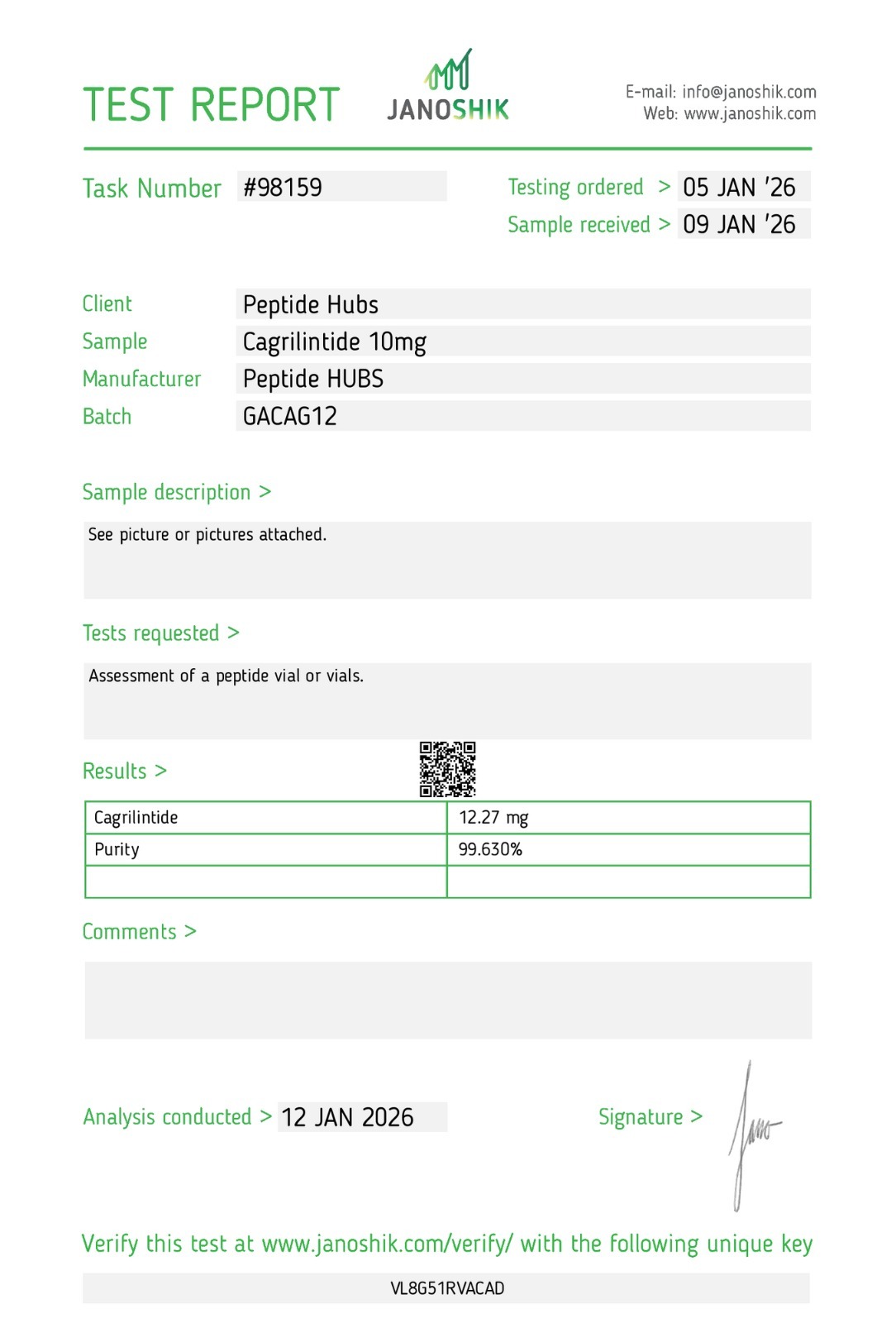
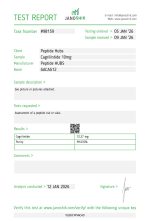
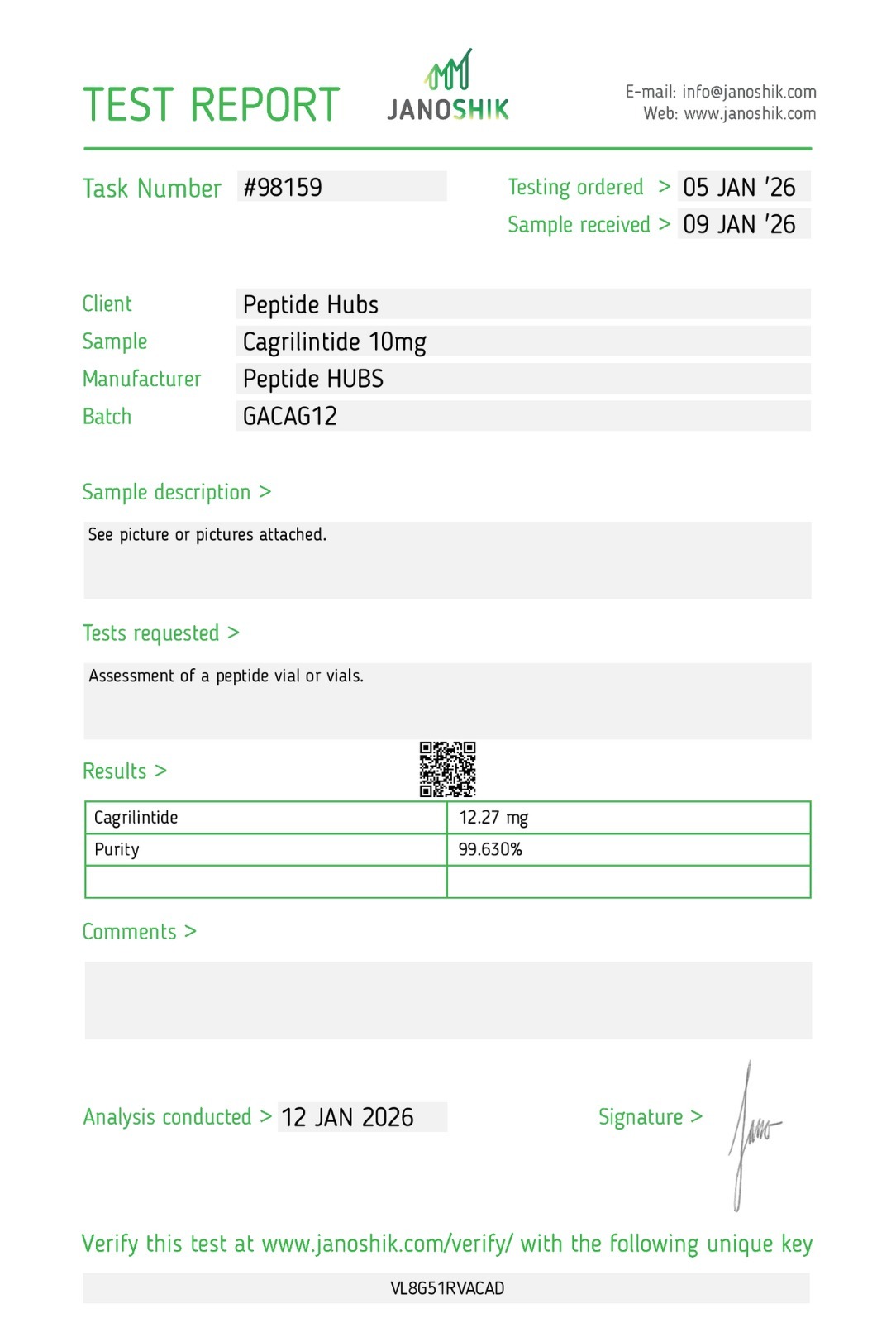
• Guaranteed purity: Each batch of product undergoes dual testing by HPLC and mass spectrometry, with a purity ≥99%. Verified by an independent third-party laboratory, it is free of bacterial contamination and impurities, ensuring the accuracy and reliability of research data. It strictly adheres to the standard sequence developed by Novo Nordisk, containing key D-Arg mutations and N-terminal lipid modification, and its structure is completely consistent with the peptide used in clinical research.
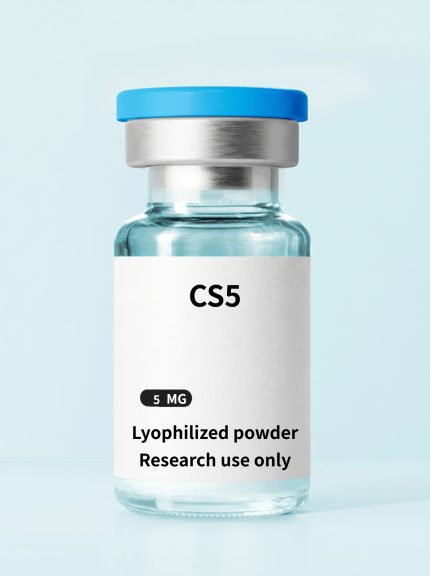
• Precise Dosage: 5 mg vials are ideal for research dosage requirements, allowing for flexible concentration adjustments based on experimental protocols (e.g., 0.1-1 μM for cell experiments, 0.16-4.5 mg for animal experiments), avoiding dosage waste and meeting the needs of various research scenarios such as cell experiments, animal models, and receptor binding assays.
• High Stability: A lyophilized powder formulation, strictly adhering to GMP-grade production standards, it can be stored long-term under dry, light-protected, and sealed conditions at -20°C with stable activity and no degradation. The lipid-modified structure undergoes special treatment, and after reconstitution, it remains stable for 7 days at 4°C, adapting to the transportation and storage conditions of laboratories worldwide and preventing degradation of the lipid-modified structure from affecting activity.
• Structural Purity: Utilizing standard synthesis processes, it precisely replicates the amino acid sequence and modification methods of Cagrilintide used in clinical research, containing a key D-Arg mutation and an N-terminal γ-glutamic acid linker + C20 fatty acid modification, ensuring binding activity with the amylin receptor and 106-fold receptor selectivity, guaranteeing experimental reproducibility.
• For Research Use Only: Clearly labeled "For Research Use Only," strictly limited to cell experiments, animal models, and studies on metabolic regulation, receptor selectivity, and cardiovascular protection mechanisms. Non-research use is strictly prohibited. Includes a complete quality control report, reconstitution guidelines, and storage instructions, reminding researchers to protect the lipid structure during experimental procedures.
For researchers exploring metabolic disease mechanisms, weight management, glycemic regulation, and cardiovascular protection, Cagrilintide is undoubtedly a key tool molecule for unlocking multi-target synergistic metabolic regulation and driving breakthroughs in metabolic disease research. Its high selectivity, long-lasting effect, and good safety profile make it a core peptide in metabolic research, providing important molecular models and research foundations for the development of novel metabolic drugs.
Unopened Powder
Store the sealed cagrilintide vials in a cool, dry place, away from direct sunlight and moisture. You can leave it at room temperature briefly, but longer storage is better—refrigerate at 2–8°C if you plan to use it within a few weeks. If you plan to store it for an even longer period, freeze it at -20°C; it can be stored for several months.
After Reconstitution
Mix the peptides with the antibacterial water and immediately refrigerate at 2–8°C. Note: Do not freeze after mixing. Temperature fluctuations will damage the peptide structure. Keep the vials in a cool, dark place in the refrigerator, or wrap them in aluminum foil—light is detrimental to peptide stability.
Shelf Life
Properly refrigerated cagrilintide can typically be stored for 28 to 56 days. However, note that its potency will decrease over time. Before each use, quickly check the solution. Discard the solution if it is cloudy, discolored, or contains floating matter. Handling and Safety: Always use aseptic techniques when handling peptides. Avoid frequent opening of vials—each opening introduces air, affecting peptide stability. Also, avoid repeated freeze-thaw cycles, as this accelerates peptide breakdown. Ensure containers are tightly sealed to prevent moisture absorption.
Quick Tip: Powdered products are best stored at 2–8°C. After mixing, use within 4–8 weeks and always refrigerate. Always protect from light, heat, and moisture. For clinical applications or specific handling guidelines, consult the product instructions or a qualified researcher.
What are the storage conditions for cagrilintide
Store it at -20°C until use. After reconstitution, refrigerate and consume within 30 days. It is very easy to use, even for graduate students.
Is it legal to purchase for research use?
It is completely legal for laboratory and educational use. The U.S. Food and Drug Administration (FDA) has not approved it for therapeutic use, but related research can be conducted without legal hindrance. Do not self-medicate—this is both illegal and unwise.
How to recombine the peptide?
Use immediately with sterile water. Antibacterial water can prolong the stability of the solution. Add the liquid slowly dropwise along the side of the vial—adding it directly to the powder will cause unnecessary agitation.
Is there an analytical certificate?
Each batch of product includes complete analysis. HPLC purity testing, mass spectrometry confirmation, endotoxin level testing—all the tests expected by professional researchers are included.
What if recombination fails?
Contact us immediately. We prefer to guide you through the entire process rather than waste valuable peptides due to rushed operations or unfamiliarity with the correct techniques.


No account yet?
Create an AccountOnly registered users can access this website. You must log in or create an account to place an order.
The products on this website are for legitimate research use only. They have not been evaluated by the Food and Drug Administration (FDA), and they are not intended to prevent, treat, or cure any disease or for human consumption. Please comply with all applicable laws and regulations. Consult with a qualified researcher before beginning any study.
Age Restrictions: By accessing this site, you acknowledge that you are at least 21 years of age, understand these terms, and have a legitimate research basis for purchasing these products.
* Note: All of our compounds are sold separately and do not include research supplies such as bacteriostatic water or syringes. Most are sold in powder form and need to be reconstituted with a suitable diluent solution prior to study.

Reviews
There are no reviews yet.