
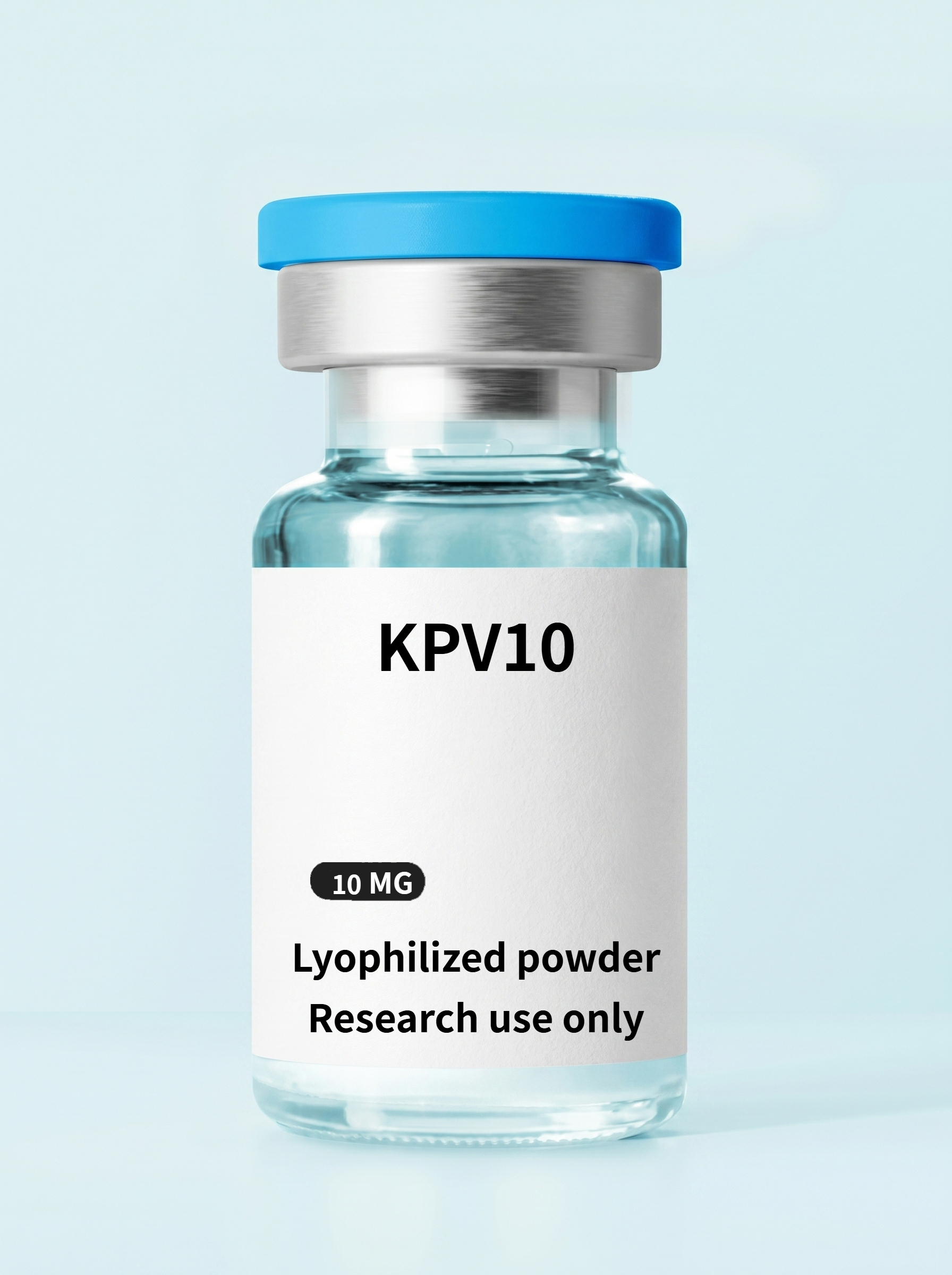
Price range: $50.00 through $65.00
LYSINE-PROLINE-VALINE (KPV) 5 mg - Premium Research Peptide | PeptideHubs What is LYSINE-PROLINE-VALINE? Overview In the research fields of anti-inflammatory regulation, tissue repair, and immune balance, a natural tripeptide derived from an endogenous hormone fragment, possessing both potent anti-inflammatory and gentle repair properties, is becoming a research hotspot—LYSINE-PROLINE-VALINE (lysine-proline-valine, abbreviated as KPV). This natural tripeptide, isolated from the C-terminal fragment of α-melanocyte-stimulating hormone (α-MSH), has the core advantage of precisely regulating inflammatory pathways and repairing tissue barriers without inhibiting immune system function. It is a core tool for research on the mechanisms of inflammation-related diseases and repair-related scientific research. It does not achieve anti-inflammatory effects through potent immune suppression, but rather by targeting and activating the α-MSH receptor signaling pathway, gently regulating cytokine secretion, and promoting epithelial cell repair, simultaneously achieving anti-inflammatory and tissue regeneration. Like a "precision anti-inflammatory and repair expert," it plays an irreplaceable role in research on skin inflammation, intestinal barrier damage, and systemic chronic inflammation.
The unique advantage of this peptide lies in its perfect balance between potent anti-inflammatory effects and non-immunosuppressive properties. Compared to the limitations of traditional anti-inflammatory drugs (such as glucocorticoids), which are prone to immunosuppression and drug resistance, KPV, as a fragment of endogenous α-MSH, can precisely mimic its anti-inflammatory activity while avoiding the hormone-related side effects such as skin pigmentation that may occur with intact α-MSH. Furthermore, as a tripeptide molecule, its small molecular weight and high bioavailability allow it to act on target tissues through various administration methods (subcutaneous injection, intranasal administration, and topical application), adapting to the needs of different research scenarios. Researchers have described it as a "precisely regulated anti-inflammatory key," unlocking only the core pathways of inflammation suppression and tissue repair without interfering with the normal defense function of the immune system, while traditional anti-inflammatory drugs are like "broad-spectrum inhibitors," which, although rapidly reducing inflammation, easily disrupt immune balance and normal tissue physiological functions.
As a classic research peptide in the field of inflammation and repair, LYSINE-PROLINE-VALINE has progressed from cell experiments and animal models to preliminary human exploration. Its effects in local and systemic anti-inflammatory activity, intestinal barrier repair, and skin wound healing have been fully validated. It is widely used in research on inflammation mechanisms and the synergistic effects of repair peptides, serving as an important bridge connecting endogenous anti-inflammatory molecules with scientific applications.
LYSINE-PROLINE-VALINE Peptide Structure: Amino acid sequence: L-Lys-L-Pro-L-Val (L-lysine-L-proline-L-valine), abbreviated as KPV, CAS number corresponding to the standard sequence of the natural tripeptide, molecular formula C₁₇H₃₁N₅O₄, molecular weight approximately 369.46 Da. It is a linear natural tripeptide, the C-terminal core active fragment of the α-melanocyte-stimulating hormone (α-MSH) molecule, formed by three essential or non-essential amino acids linked by peptide bonds.
Its structural design is simple yet highly functional. The selection and linkage of each amino acid provides a solid foundation for its anti-inflammatory and repair functions. The core structural highlights and advantages are as follows:
• Natural tripeptide backbone: Composed of three natural L-type amino acids—lysine (Lys, K), proline (Pro, P), and valine (Val, V)—linked by conventional peptide bonds to form a linear structure. It is unmodified and completely identical to the KPV sequence in the human α-MSH fragment, exhibiting excellent biocompatibility, no immunogenicity, and rapid recognition and utilization by human cells. Furthermore, its small molecular weight allows it to easily penetrate tissue barriers and reach target sites.
• Core Amino Acid Functional Properties: Lysine, as a basic amino acid, has side-chain amino groups that enhance molecular hydrophilicity, improve water solubility and bioavailability, and participate in collagen synthesis and cross-linking, aiding tissue repair. Proline, as an α-imino acid, has a five-membered ring side chain that provides local rigidity to the peptide chain, enhancing molecular stability and promoting the binding affinity of the peptide chain to the α-MSH receptor. Valine, as a hydrophobic amino acid, enhances the interaction between the molecule and the cell membrane, improving transdermal and tissue penetration and assisting in the exertion of anti-inflammatory activity.
• α-MSH Fragment Mimicry Structure: The peptide chain sequence precisely replicates the C-terminal active fragment of α-MSH, enabling specific binding to the α-MSH receptor and activating downstream anti-inflammatory signaling pathways. It exerts a potent anti-inflammatory effect without requiring the complete α-MSH molecule, while avoiding potential side effects such as skin pigmentation caused by the complete hormone molecule. This structural design is the core basis for achieving "precise anti-inflammatory, gentle and safe" effects.
This ingenious natural structural design makes LYSINE-PROLINE-VALINE a highly effective and gentle endogenous anti-inflammatory and repair peptide. It precisely activates anti-inflammatory pathways and inhibits inflammatory responses, while also promoting tissue repair through the synergistic effects of amino acids, exhibiting excellent biocompatibility and stability. When it binds to the α-MSH receptor on target cells, it rapidly regulates cytokine secretion, initiating anti-inflammatory and repair processes. Researchers, in elucidating its mechanism of action, are amazed by the precise regulatory ability and powerful physiological activity of this natural tripeptide.
To date, core research on LYSINE-PROLINE-VALINE has covered cell experiments, animal models, and preliminary human studies. Its role in anti-inflammation and tissue repair has been fully validated. Although it has not yet received approval from regulatory agencies such as the FDA and EMA for clinical treatment, it has become a core research tool in areas such as inflammation mechanisms, gut health, and skin repair, while also demonstrating broad application potential in scientific research and functional raw materials.
LYSINE-PROLINE-VALINE Peptide and Anti-inflammatory Regulation (Local and Systemic)
The most core and extensive research value of LYSINE-PROLINE-VALINE lies in its potent anti-inflammatory effect, which can simultaneously regulate local and systemic inflammatory responses. By targeting and activating the α-MSH receptor signaling pathway, it gently inhibits the secretion of pro-inflammatory factors and promotes the expression of anti-inflammatory factors without suppressing the normal defense function of the immune system. This provides an important tool for studying the mechanisms of inflammation-related diseases (such as skin inflammation, intestinal inflammation, and systemic chronic inflammation). Its anti-inflammatory effect has shown significant advantages in cell experiments and animal models.
Its core anti-inflammatory mechanism is clear and distinct, differing from the immunosuppressive mode of traditional anti-inflammatory drugs:
• Targeted activation of α-MSH receptor: It specifically binds to the α-MSH receptor on the cell surface, initiating downstream signal transduction, significantly inhibiting the expression and release of pro-inflammatory factors (TNF-α, IL-6, IL-1β), while promoting the secretion of anti-inflammatory factor (IL-10). This regulates the inflammatory response at its source, achieving the unique advantage of "anti-inflammatory without immunosuppressive." This mechanism has been confirmed by multiple peer-reviewed studies.
• Dual local and systemic anti-inflammatory effects: When applied topically, it can precisely target local skin inflammation sites, relieving symptoms of skin inflammation such as eczema, psoriasis, and acne. When administered subcutaneously or intranasally, it can reach the whole body through blood circulation, regulating systemic chronic inflammatory responses and reducing the levels of systemic inflammatory markers (such as hsCRP), making it suitable for research on systemic inflammation models.
• Inhibition of inflammatory cell activation: It can inhibit the excessive activation of inflammatory cells such as macrophages and neutrophils, reducing the aggregation of inflammatory cells to the site of injury, alleviating inflammatory infiltration and tissue damage. Simultaneously, it reduces inflammation-mediated oxidative stress, decreasing the damage of reactive oxygen species (ROS) to cells, achieving a synergistic effect of anti-inflammation and anti-oxidation.
• Anti-inflammatory dose-dependent: In cell experiments, concentrations of 1-10 μM KPV can significantly inhibit the secretion of pro-inflammatory factors. The anti-inflammatory effect increases with increasing concentration, and there is no significant cytotoxicity within the effective concentration range, making it suitable for research models of different degrees of inflammation.
Studies have confirmed that LYSINE-PROLINE-VALINE possesses anti-inflammatory activity comparable to α-MSH, but without the side effect of skin pigmentation. Its "anti-inflammatory without immunosuppressive" characteristic makes it more suitable for long-term research use compared to traditional anti-inflammatory drugs, providing a unique molecular tool for studying the mechanisms of chronic inflammation and autoimmune-related inflammation.
LYSINE-PROLINE-VALINE Peptide and Tissue Barrier Repair (Gut, Skin)
In addition to its anti-inflammatory properties, LYSINE-PROLINE-VALINE also exhibits significant tissue barrier repair functions, particularly in the intestinal and skin barriers. Its repair and anti-inflammatory effects work synergistically to accelerate the healing of damaged tissues and improve barrier dysfunction, providing an important tool for research related to gut health and skin repair.
Its core repair mechanisms and manifestations include:
• Intestinal barrier repair: By activating the repair pathways of intestinal epithelial cells, it promotes the proliferation and migration of intestinal mucosal epithelial cells, enhances the expression of intestinal tight junction proteins (such as Occludin and ZO-1), reduces intestinal permeability, and improves intestinal barrier dysfunction. It is suitable for research in intestinal inflammation models such as inflammatory bowel disease (IBD) and ulcerative colitis. Targeted oral delivery (such as hyaluronic acid-functionalized nanoparticle encapsulation) can increase its accumulation in the colon, enhancing the repair effect.
• Skin barrier repair and wound healing: When applied topically, it can penetrate the stratum corneum to reach the dermis, promoting skin epithelial cell healing, accelerating wound scab formation and tissue regeneration, while alleviating skin inflammation and improving skin barrier damage in inflammatory skin diseases such as eczema and psoriasis. In skin burn and abrasion models, KPV treatment can significantly shorten wound healing time and improve repair quality. The repair effect is even more significant when used in combination with repair peptides such as GHK-Cu and BPC-157.
• Mucosal barrier protection: It also protects mucosal tissues such as the respiratory tract and oral cavity, reducing mucosal inflammation, enhancing mucosal barrier function, and reducing damage to the mucosa from external stimuli. It is suitable for research related to mucosal inflammation and barrier repair.
Furthermore, LYSINE-PROLINE-VALINE can enhance the strength and resilience of repaired tissues by promoting collagen synthesis (lysine is a key raw material for collagen synthesis), further improving repair quality and achieving a dual effect of "anti-inflammatory + repair," providing an ideal tool for synergistic research on tissue barrier damage.
LYSINE-PROLINE-VALINE peptides and immune regulation and antibacterial protection: LYSINE-PROLINE-VALINE is an important molecule linking anti-inflammatory and immune regulation. It can regulate inflammatory responses and gently modulate immune system function, while also possessing certain antibacterial protective effects. It is of significant value in research on immune balance and infection-related inflammation.
Its immunomodulatory and antibacterial protective mechanisms include:
• Mild regulation of immune balance: It does not inhibit the normal defense function of the immune system, but rather improves immune dysregulation and reduces excessive autoimmune reactions, making it suitable for research on autoimmune-related inflammation. Simultaneously, it enhances the activity of immune cells, improves the body's ability to recognize and clear pathogens, and assists in antibacterial protection.
• Direct antibacterial support: It has a certain inhibitory effect on harmful microorganisms in the gut and skin, protecting the gut and skin microecological balance and reducing harmful bacteria-mediated inflammatory responses. Especially in intestinal inflammation models, it can assist in intestinal barrier repair and inflammation relief by inhibiting the proliferation of harmful bacteria.
• Neuroimmune balance regulation: It can reduce stress-mediated inflammation, regulate neuroimmune pathways, and alleviate stress-related intestinal and skin inflammation, providing new insights into the mechanisms of neuroimmune-related inflammation.
Animal experiments have confirmed that LYSINE-PROLINE-VALINE supplementation can significantly improve the inflammatory state in immune dysregulation models, while simultaneously enhancing the body's antibacterial capacity and reducing the risk of infection. Its triple characteristics of "anti-inflammatory + immunomodulatory + antibacterial" make it an ideal tool for multidimensional inflammation research.
LYSINE-PROLINE-VALINE Peptide and Safety
LYSINE-PROLINE-VALINE, as a fragment of endogenous α-MSH in the human body, has demonstrated excellent safety in preclinical and preliminary human studies, with few and mild adverse reactions. Core risks are related to dosage, administration method, and specific populations, and its use must be strictly limited to research settings:
• Common Reactions: Local reactions are the most common. When administered subcutaneously, approximately 8%-15% of users may experience mild redness, swelling, itching, and pain at the injection site; these are mostly transient reactions that gradually subside as the body adapts. When used topically, a small number of individuals with sensitive skin may experience mild skin redness and dryness, with an incidence of approximately 3%-5%, which usually resolves completely within 24-48 hours after discontinuation.
• Potential Risks: Long-term or high-dose use may lead to excessive suppression of local inflammation, affecting the normal tissue repair process. High oral doses may cause mild gastrointestinal discomfort (such as nausea and bloating), often related to excessive dosage. Currently, there is no long-term human safety data exceeding 12 weeks, and further research is needed on its long-term effects. Use is not recommended for pregnant or breastfeeding women due to a lack of safety data. • Drug Interactions: When used in combination with BPC-157, it produces a synergistic effect on intestinal and tissue repair without affecting the bioactivity of either drug. When used in combination with anti-inflammatory drugs (such as glucocorticoids), it enhances the anti-inflammatory effect while reducing the side effects of glucocorticoids. When used in combination with antibiotics, it can assist in antibacterial activity and improve the repair effect of infectious inflammation.
• Important Reminder: LYSINE-PROLINE-VALINE has not been approved for human treatment by any regulatory agency, such as the FDA or EMA, and is for research use only. Products from unofficial channels may have insufficient purity, amino acid configuration deviations (such as the inclusion of D-type amino acids), etc., which seriously affect research safety and experimental reproducibility. Dosage varies significantly depending on the route of administration; it must be prepared and used strictly according to the research protocol.
Overall, LYSINE-PROLINE-VALINE is well-tolerated at standard research doses. Its natural endogenous properties make its safety far superior to synthetic anti-inflammatory drugs, making it a safe and reliable research tool in the fields of inflammation, tissue repair, and immune regulation. Caution is advised when using it in special populations.
Future Research and Clinical Trials of LYSINE-PROLINE-VALINE
As a multifunctional anti-inflammatory and repair peptide, the research boundaries of LYSINE-PROLINE-VALINE continue to expand. Multiple cell and animal experiments have been conducted, and preliminary human trials have also begun. Its scientific value in multiple fields continues to be explored. Core research directions revolve around anti-inflammatory mechanisms, optimization of administration methods, and expansion of indications:
• Completed studies: Cell and animal experiments on α-MSH receptor binding mechanism, local and systemic anti-inflammatory effects, intestinal and skin barrier repair, immune regulation, and antibacterial protection; as well as a small number of preliminary human trials, clarifying its core mechanism of action, efficacy, and safety; synergistic effects with repair peptides (BPC-157, GHK-Cu) have also been completed, providing a foundation for research on combination therapy.
• Ongoing research: In-depth studies on diseases such as inflammatory bowel disease (IBD), psoriasis, and eczema; optimization of oral targeted delivery formulations (such as nanoparticles and microcapsules) to improve intestinal enrichment and bioavailability; comparative studies on the efficacy of different administration methods (subcutaneous injection, intranasal administration, and topical application); and its role in neuroimmunological inflammation and infectious inflammation.
Potential applications of LYSINE-PROLINE-VALINE are being explored.
• Cutting-edge research: Structural modification of LYSINE-PROLINE-VALINE will further enhance its anti-inflammatory activity and long-lasting effect; its research value in inflammatory diseases such as non-alcoholic steatohepatitis (NASH) and polycystic ovary syndrome (PCOS) will be investigated; a complex peptide formulation will be developed to integrate its anti-inflammatory advantages with the repair and antioxidant functions of other peptides; its potential value in hair health and mucosal repair will be explored, expanding its research and application scenarios.
Current research focuses on optimizing its administration methods, expanding new research indications, and clarifying its deep mechanisms of action in neuroimmunology and chronic inflammation. This will provide more precise and efficient tools for precision research on inflammatory diseases and the development of novel repair peptides, driving breakthroughs in the field of anti-inflammatory repair.
Our LYSINE-PROLINE-VALINE boasts the following significant features:
• Guaranteed Purity: Each batch undergoes dual testing by HPLC and mass spectrometry, ensuring a purity ≥99%. Verified by an independent third-party laboratory, it is free from bacterial contamination, impurities, and D-type amino acid contamination, guaranteeing the accuracy and reliability of research data. It is a white to off-white loose powder, readily soluble in water, producing a clear aqueous solution, consistent with the typical physicochemical characteristics of natural KPV tripeptides.
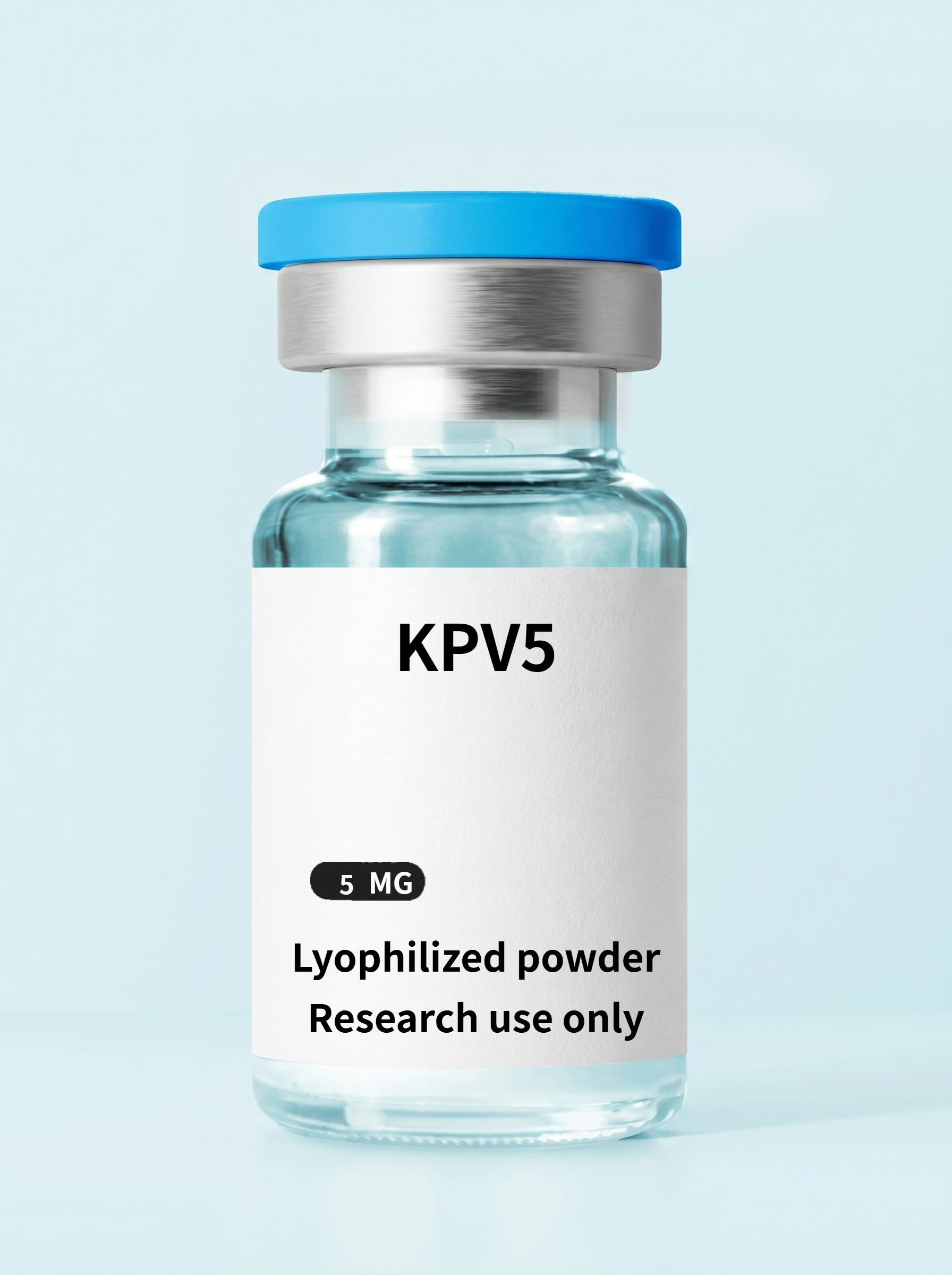
• Precise Dosage: Packaged in 5 mg vials, it is tailored to specific research dosage requirements. Different concentrations can be flexibly configured according to experimental protocols (e.g., 1-10 μM for cell experiments, 0.01%-0.1% for topical formulations, 100-300 μg/day for animal experiments), avoiding dosage waste and meeting the needs of various research scenarios such as cell experiments, animal models, and combination drug studies.
• Superior Stability: A lyophilized powder formulation, strictly adhering to GMP-level production standards, it can be stored for extended periods (≥2 years) under dry, light-protected, and sealed conditions at -20℃, maintaining stable activity without degradation. After reconstitution, it remains stable for 7 days when refrigerated at 4℃, adapting to the transportation and storage conditions of laboratories worldwide, preventing peptide chain degradation from affecting activity. • Structural Purity: Utilizing standard synthesis processes, the KPV sequence in the endogenous human α-MSH fragment is precisely replicated, resulting in a linear tripeptide of L-lysine-L-proline-L-valine without any artificial modifications. This ensures binding activity to the α-MSH receptor and its "anti-inflammatory without immunosuppressive" properties, guaranteeing experimental reproducibility.
• Research Use Only: Clearly labeled "For Research Use Only," strictly limited to cell experiments, animal models, and research on mechanisms related to anti-inflammation, tissue repair, and immune regulation. Non-research use is strictly prohibited. A complete quality control report, reconstitution guide, and storage instructions are provided, reminding researchers to precisely prepare the concentration according to the administration method.
For researchers exploring inflammation mechanisms, tissue barrier repair, and immune regulation, LYSINE-PROLINE-VALINE is undoubtedly a key tool molecule for unlocking the potential of endogenous anti-inflammatory repair and driving breakthroughs in multiple fields. Its natural properties, potent anti-inflammatory effects, and mild and safe characteristics make it one of the most valuable research peptides in the field of inflammation and repair, widely used in research exploration in life sciences, pharmaceutical development, cosmetic ingredients, and other related fields.
Unopened Powder
Store the sealed LYSINE-PROLINE-VALINE vials in a cool, dry place, away from direct sunlight and moisture. You can leave it at room temperature briefly, but longer storage is better—refrigerate at 2–8°C if you plan to use it within a few weeks. If you plan to store it for an even longer period, freeze it at -20°C; it can be stored for several months.
After Reconstitution
Mix the peptides with the antibacterial water and immediately refrigerate at 2–8°C. Note: Do not freeze after mixing. Temperature fluctuations will damage the peptide structure. Keep the vials in a cool, dark place in the refrigerator, or wrap them in aluminum foil—light is detrimental to peptide stability.
Shelf Life
Properly refrigerated LYSINE-PROLINE-VALINE can typically be stored for 28 to 56 days. However, note that its potency will decrease over time. Before each use, quickly check the solution. Discard the solution if it is cloudy, discolored, or contains floating matter. Handling and Safety: Always use aseptic techniques when handling peptides. Avoid frequent opening of vials—each opening introduces air, affecting peptide stability. Also, avoid repeated freeze-thaw cycles, as this accelerates peptide breakdown. Ensure containers are tightly sealed to prevent moisture absorption.
Quick Tip: Powdered products are best stored at 2–8°C. After mixing, use within 4–8 weeks and always refrigerate. Always protect from light, heat, and moisture. For clinical applications or specific handling guidelines, consult the product instructions or a qualified researcher.
What are the storage LYSINE-PROLINE-VALINE
Store it at -20°C until use. After reconstitution, refrigerate and consume within 30 days. It is very easy to use, even for graduate students.
Is it legal to purchase for research use?
It is completely legal for laboratory and educational use. The U.S. Food and Drug Administration (FDA) has not approved it for therapeutic use, but related research can be conducted without legal hindrance. Do not self-medicate—this is both illegal and unwise.
How to recombine the peptide?
Use immediately with sterile water. Antibacterial water can prolong the stability of the solution. Add the liquid slowly dropwise along the side of the vial—adding it directly to the powder will cause unnecessary agitation.
Is there an analytical certificate?
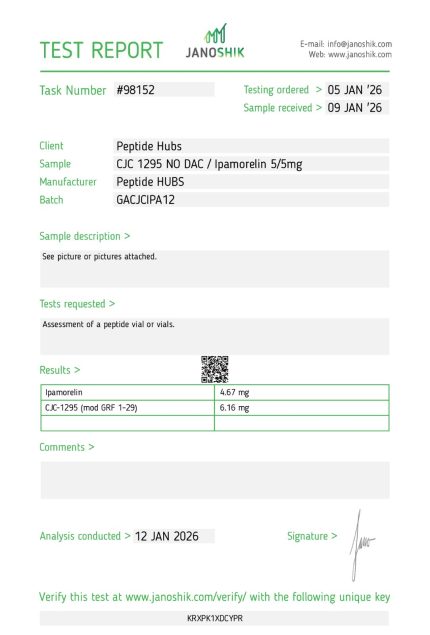
Each batch of product includes complete analysis. HPLC purity testing, mass spectrometry confirmation, endotoxin level testing—all the tests expected by professional researchers are included.
What if recombination fails?
Contact us immediately. We prefer to guide you through the entire process rather than waste valuable peptides due to rushed operations or unfamiliarity with the correct techniques.


No account yet?
Create an AccountOnly registered users can access this website. You must log in or create an account to place an order.
The products on this website are for legitimate research use only. They have not been evaluated by the Food and Drug Administration (FDA), and they are not intended to prevent, treat, or cure any disease or for human consumption. Please comply with all applicable laws and regulations. Consult with a qualified researcher before beginning any study.
Age Restrictions: By accessing this site, you acknowledge that you are at least 21 years of age, understand these terms, and have a legitimate research basis for purchasing these products.
* Note: All of our compounds are sold separately and do not include research supplies such as bacteriostatic water or syringes. Most are sold in powder form and need to be reconstituted with a suitable diluent solution prior to study.

Reviews
There are no reviews yet.